Substance Use Disorder
Around 5%
of India’s adult population struggles with a substance use disorder.
4 Crore+
An estimated 4 crore Indians need professional help for alcohol or drug dependence each year.
3–5x
People who use substances daily are 3–5 times more likely to develop addiction compared to occasional
60–80%
of patients experience withdrawal symptoms such as anxiety, tremors, or sleep issues during early recovery.
Introduction
Substance Use Disorder or SUD is a complex mental health ailment marked by an uncontrollable consumption of substances. Patients readily ignore the side effects caused by these substances to feel high and relaxed.
Patients develop a strong and persistent need to consume substances even when this consumption interferes with their daily responsibilities. Continued substance consumption causes long-lasting changes in the brain and even affects how a patient thinks, feels or behaves.
Once the substance use decreases, withdrawal symptoms and powerful cravings kick on. Patients then suffer from anxiety, impaired judgement and memory issues. They suffer from poor self-control owing to the altered structural and functional changes that have happened in the brain.
Read on to learn more about how to manage the mental and physical health of a patient who wants to recover from substance use disorder.
What is Substance Use Disorder?
Substance Use Disorder is a mental health condition wherein repeated substance use disrupts the normal functioning of the brain. Patients suffer from cravings and exhibit harmful behaviour when they lose access to any addictive substance.
Repeated substance use alters brain function long after intoxication fades. Persistent consumption of a substance builds tolerance, consequently requiring a higher dosage. Once this level of consumption is controlled or attempted to be curbed, patients start suffering from anxiety and other mental health disorders.
If left untreated, SUD can be life-threatening or cause permanent damage to the nervous system.
Types of Substance Use Disorder
- Opioid Use Disorder
- Marijuana Use Disorder
- Nicotine Use Disorder
- Stimulant Use Disorder
- Sedative Use Disorder
- Hallucinogen Use Disorder
- Alcohol Use Disorder
Causes of Substance Use Disorder
Substance Use Disorder develops when these substances alter the brain’s reward system. Other factors that contribute to the disorder are social influence, curiosity and desire to enhance performance.
People start consuming substances for multiple reasons. Patients tend to seek pleasure, ease stress and control emotional pain. Naturally competitive patients tend to do so to enhance their performance and experiment due to curiosity and even peer pressure.
Progression often moves from experimental or prescribed use to occasional, followed by heavy use. Although the pattern varies widely from person to person, pleasure-driven consumption often becomes a daily dependence.
Signs and Symptoms of Substance Use Disorder
- Intoxication is the most common symptom exhibited by patients. Intoxication refers to the short-term effect of a substance on the human body. Patients experience drowsiness, calmness, and excitement simultaneously. They have impaired judgement which affects their coordination and physical functioning.
- Withdrawal symptoms occur when the short-term effects of the substance fade from the body. Patients suffer from discomfort like nausea, sweating and sleep issues. Emotional changes are also witnessed among patients.
- Taking larger and longer doses than needed is also common. Patients start using the substance in higher doses or for longer than expected. Gradually, they lose control over how much they take and how often they consume the substance. They then feel a powerful, uncontrollable craving to consume the product.
- Unsuccessful attempts to cut down consumption despite wanting to reduce it are another prominent symptom. Most of the time is spent on procuring the product, consuming it and recovering from it later. Patients give up on other activities in life.
- Patients find it difficult to fulfil responsibilities. They continue using the substance despite relationship problems and declining performance at work. They neglect their routines and forget to take care of themselves.
- Repeated use in dangerous situations is common among substance consumers. Patients consume substances before driving which puts other people’s lives in danger as well. Patients continue consuming the product despite emotional distress and other warning signs.
- Developing tolerance for substances is one of the most serious symptoms. Patients consume more of the substance to temporarily ease discomfort. Continuous consumption is reinforced which deepens the dependence.
Treatment of Substance Use Disorder
Every treatment starts with a proper diagnosis. Therapists first diagnose the extent of addiction and then administer one of the following therapies for patients who suffer from SUD.
Diagnosis of Substance Use Disorder
Substance Use Disorder is diagnosed through a detailed review of the medical record of a patient. Therapists at Calida Rehab Centre then evaluate the behavioural and mental health history of a patient.
- Providers then use drug tests and prescription monitoring reports. Blood tests are conducted regularly to keep track of the patients’ vitals. Alcohol consumption generally causes a rise in sugar levels. Therefore, patients are regularly monitored so that the medication does not worsen such symptoms.
- Medical health practitioners sometimes also recommend brain scans to learn about improvement in the affected brain areas.
According to mental health experts and medical practitioners, exhibiting 2 or more symptoms within 12 months confirms Substance Use Disorder. Severity is then classified as mild, moderate or severe based on the count.
Treatment of Substance Use Disorder
Psycho-Therapy
Behavioural therapies help patients alter their negative thoughts and patterns. The following therapies complement medication essential for long-term recovery and for sustainable health improvement.
1. Family Therapy
Family therapy supports patients and their families by addressing their behaviour patterns. Patients are able to improve their communication skills with their families and reduce conflict between them. The aim is to counsel the family to create a healthier environment that supports recovery and inhibits further drug use.
2. Contingency Management
Contingency Management involves rewarding patients in a structured manner. Therapists entitle patients to certain privileges that encourage staying drug-free for longer periods. However, patients at Calida Rehab Centre must attend counselling sessions regularly. Therapists ensure that they take the right medication at the right time so that the right behaviour is reinforced.
3. Motivational Enhancement Therapy
Motivational Enhancement Therapy helps patients strengthen their personality. Therapists train patients to stay internally motivated so that they do not give in to any cravings. Patients’ ambivalence is resolved and they are more privy to changing themselves. The aim is to make patients commit to their own treatment.
4. Cognitive-Behavioural Therapy
Cognitive Behavioural Therapy or CBT helps patients Therapists help patients manage their stress and triggers that force them to consume substances. Therapists identify the maladaptive thoughts and warped behaviour patterns for better coping strategies.
A complete functional analysis of the patient is done to identify the relationship between triggers and emotions. The aim is to understand what maintains the substance-using patterns and how well to interrupt them so that patients do not suffer from severe withdrawal.
Coping strategies like the urge to surf the internet for every new symptom are addressed seriously. Patients are encouraged to solve problems independently, manage their cravings and stress without relying on substances.
Withdrawal Therapy
Withdrawal symptoms include mood changes, fatigue, nausea, tremors and sleep problems. Patients sometimes start feeling anxious owing to hallucinations and seizures that accompany them in some cases.
Withdrawal symptoms are caused when the body maintains balance, but substance use disrupts this balance by altering neurotransmitter levels. However, if this consumption stops suddenly, the body gets thrown off-balance.
The brain of a patient and the rest of the human body are not able to work in congruence with each other. Here is how therapists and medical professionals at Calida Rehab Centre treat withdrawal symptoms of a patient:
Withdrawal treatment involves supportive care and medication to ease the symptoms. The aim is to prevent complications so that a patient does not fall into relapse.
Some substance consumption can be stopped safely. However, alcohol and benzodiazepines require medical supervision.
Doctors may also prescribe specific medication to side effects of withdrawal. Medical health professionals then try to manage anxiety, seizures, nausea and even sleep issues with medication.
Call our 24-hour free confidential helpline.
Disorders
Frequently Asked Questions
Find answers to common questions about our treatment programs, admission process, and what to expect during your recovery journey
What is a substance use disorder?
What are the four symptoms of substance use disorder?
What are the five types of substance abuse disorders?
What is the most common treatment for substance use disorder?
What is recovery from SUD?
Experts Who Will Guide Your Recovery

Dr. Prashant Dasud
Designation: Consultant Psychiatrist
Experience: 15+
Illnesses:
SLD, Autism Spectrum Disorder, Dementia, Schizophrenia, Bipolar Disorder, OCD, Drug Addiction

Dr. Santosh Pawar
Designation: Consultant Psychiatrist
Experience: 15+
Illnesses:
SLD, Autism Spectrum Disorder, Dementia, Schizophrenia, Bipolar Disorder, OCD, Drug Addiction

Dr. Pooja Vilas Misal
Designation: Consultant Psychiatrist
Experience: 10+
Illnesses:
SLD, Autism Spectrum Disorder, Dementia, Schizophrenia, Bipolar Disorder, OCD, Drug Addiction
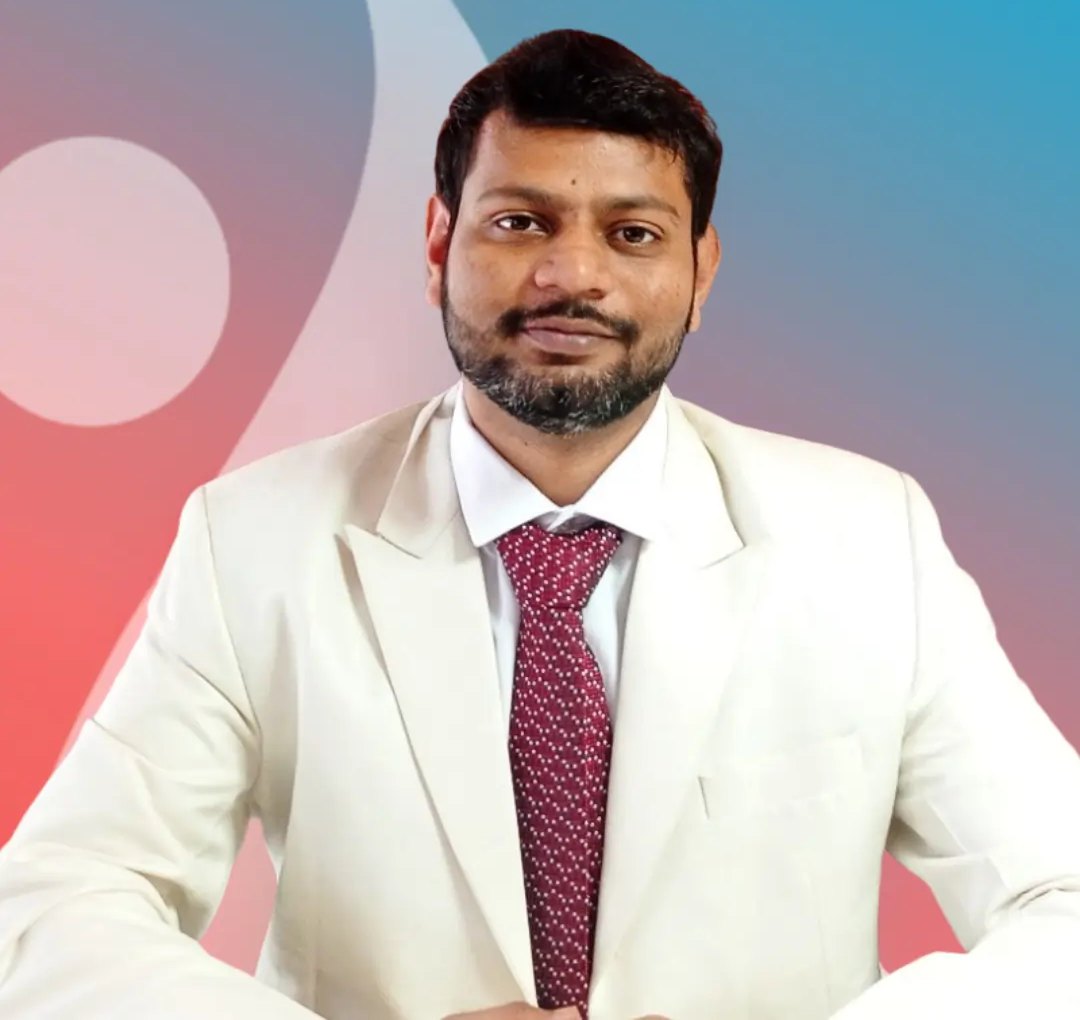
Dr. Ritwick Chatterjee
Designation: Consultant Psychiatrist
Experience: 10+
Illnesses:
SLD, Autism Spectrum Disorder, Dementia, Schizophrenia, Bipolar Disorder, OCD, Drug Addiction

Dr. Abhijit Bombe
Designation: Consultant Psychiatrist
Experience: 10+
Illnesses:
SLD, Autism Spectrum Disorder, Dementia, Schizophrenia, Bipolar Disorder, OCD, Drug Addiction

Dr. Neha Shetty
Designation: Psychiatrist
Experience: 7+
Illnesses:
SLD, Autism Spectrum Disorder, Dementia, Schizophrenia, Bipolar Disorder, OCD, Drug Addiction

Dr. Krishna Sonawane
Designation: General Physician
Experience: 5+
Illnesses:
SLD, Autism Spectrum Disorder, Dementia, Schizophrenia, Bipolar Disorder, OCD, Drug Addiction
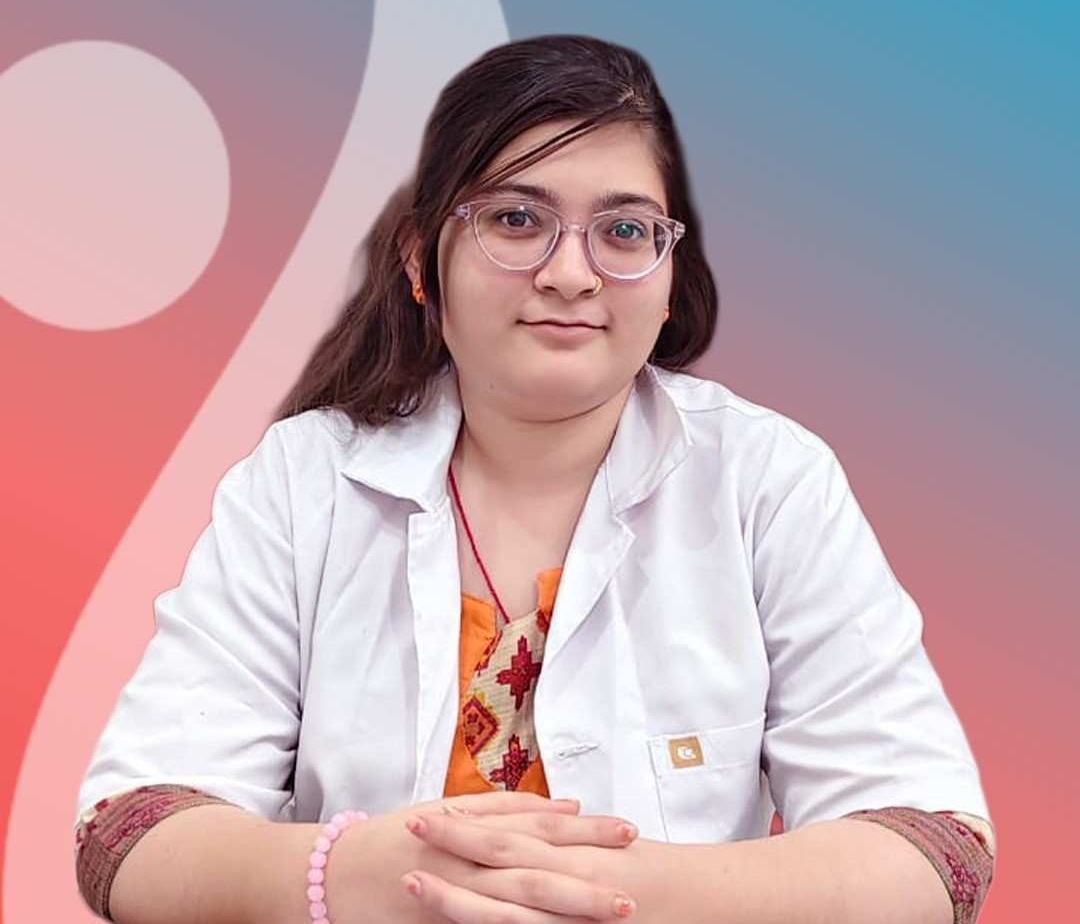
Mahima Survey
Designation: Clinical Psychologist
Experience: 7+
Illnesses:
SLD, Autism Spectrum Disorder, Dementia, Schizophrenia, Bipolar Disorder, OCD, Drug Addiction
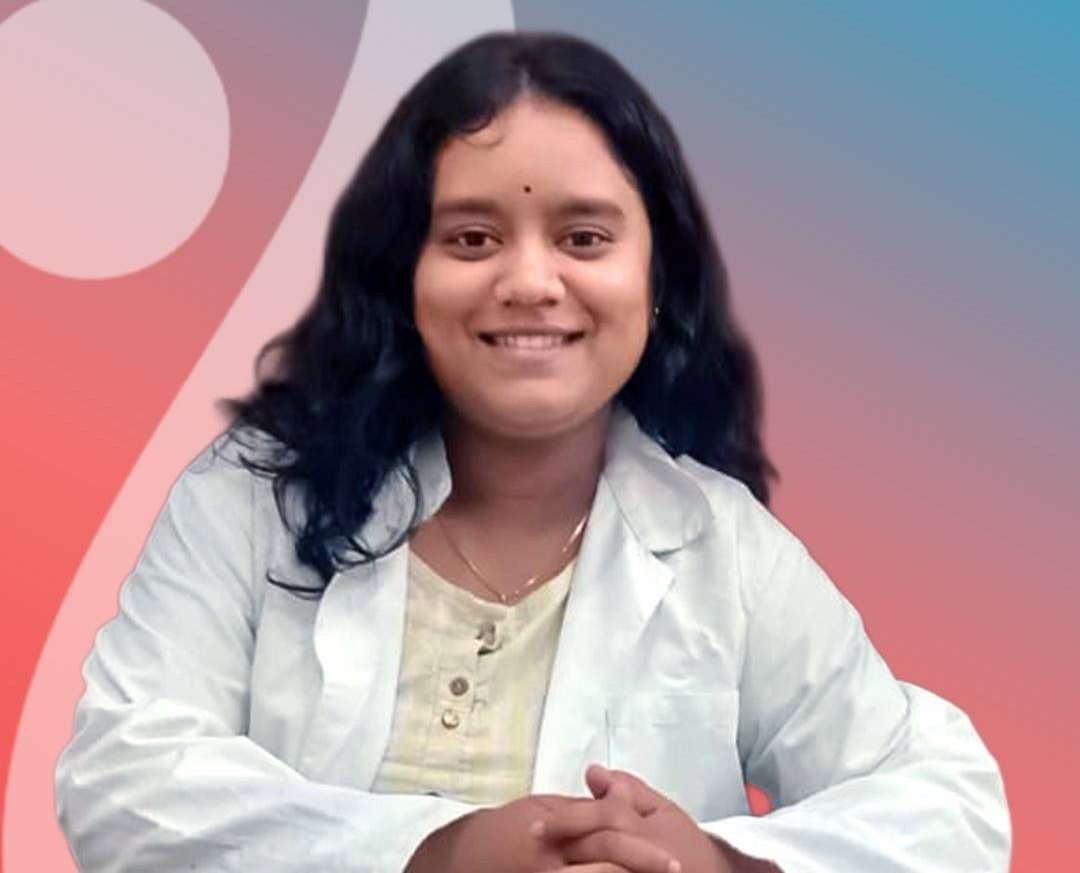
Kajal Mourya
Designation: Clinical Psychologist
Experience: 3+
Illnesses:
SLD, Autism Spectrum Disorder, Dementia, Schizophrenia, Bipolar Disorder, OCD, Drug Addiction