Schizophrenia Treatment
Schizophrenia is a mental disorder that disrupts clear thinking, hampers emotional processing and impairs the normal functioning of a patient. The disorder blurs the line between reality and fantasy but can be managed over time with proper medication.
About 0.32%
of the world’s population lives with Schizophrenia.
1 in 222
people will develop Schizophrenia in their lifetime.
80%
Patients show significant improvement with early, continuous treatment and rehabilitation.
50–60%
Treatment gap in India — many patients still don’t receive proper psychiatric care.
Introduction
Schizophrenia is a complex mental health disorder that develops gradually. Early symptoms are often difficult to identify, making recovery challenging when treatment is delayed. Persistent symptoms, such as unclear thinking, poor performance at work, and difficulty separating reality from imagination, indicate the need for professional help.
Early diagnosis and commencing timely treatment with medication and therapy ensures sustainable recovery. While schizophrenia treatment is a lifelong ongoing procedure, strong social support can greatly improve the patient’s health.
Here is a complete blog on schizophrenia signs and symptoms, schizophrenia treatment and much more.
What Is Schizophrenia?
Types of Schizophrenia
Here are the 3 main types of Schizophrenia that patients often suffer from:
1. Basic Schizophrenia
This disorder is characterised mainly by worsening negative symptoms over time, with minimal or no positive psychotic features.
2. Hebephrenic Schizophrenia
This type includes having disorganised thoughts, behaviour and momentary hallucinations. They have a reduced emotional expression, typically appearing between the ages of 15 to 25.
3. Residual Schizophrenia
This stage occurs after passing through psychotic episodes. Patients suffer from persistent negative symptoms like reduced speech, poor emotional quotient and lack of expression.
Signs and Symptoms of Schizophrenia
Primary symptoms of schizophrenia are having hallucinations, disorganized thoughts and disorganised speech. These symptoms can be exhibited in any age group.
In Young Children
Early signs of schizophrenia may include delayed walking and late speech development. This leads to difficulty in adapting to social interactions and gestures. These indicators vary and may also relate to other developmental or medical conditions.
In Teenagers
Teens may show depression, loneliness, aggression and poor concentration. Patients may suffer from functional decline or substance abuse. These signs also overlap with typical adolescent changes which makes diagnosis challenging.
In Early Adulthood
Adults suffering from schizophrenia may experience restlessness and low self-esteem. Their daily functioning is slow, they have unclear thoughts and also suffer from social withdrawal. Early markers of illness development also include reduced academic or work performance.
Patients often follow a poor personal hygiene routine. They lack consistency in work and are always suspicious about events in life. Severe symptoms are slurred speech and a disjointed memory.
Causes of Schizophrenia
The exact cause of Schizophrenia remains unknown. However, researchers believe that it results from the following combination of genetic, biological, psychological and environmental factors:
Genetics
There is no particular gene responsible for the disorder. However, certain studies show that if one identical twin is suffering from the condition, the other has about a 50% chance of developing it.
Poor Brain Development
Low oxygen levels during birth can lead to underdevelopment of the child’s brain. Abnormal brain chemistry or brain structure may predispose patients to develop symptoms later in life.
Neurotransmitter Imbalance
Irregular levels of dopamine and serotonin can have a severe impact on the dopamine and serotonin levels of a patient. These alter the brain activity and trigger symptoms.
Triggers
Childhood trauma, such as physical or sexual abuse increases long-term vulnerability. Emotional and domestic abuse or any experience of an accident can also worsen episodes of schizophrenia.
However, certain other stress-related elements could also contribute to its onset. They are:
- Prenatal exposure to viral infection can lead to alterations in fetal brain functioning.
- Exposure to viral infections during infancy may influence early neurological growth.
Diagnosis of Schizophrenia
Mental health experts and medical practitioners at Calida Rehab follow the steps given below to diagnose a patient:
- The illness often begins with a prodromal phase showing a subtle functional decline. Patients also exhibit mild psychosis as diagnosis occurs after clear symptoms appear.
- Doctors assess physical health and medical history of the patient. Patients discuss their distressing experiences, motivation issues and cognitive changes.
- To be considered as schizophrenia, patients must exhibit primary symptoms for one month and a disturbance of six months. Delusions, disorganized thoughts, hallucinations and reduced functioning are some of the most obvious symptoms.
- Doctors may suggest MRI or blood tests to rule out any medical condition. Certain times, substance abuse can also mimic the symptoms of schizophrenia.
- MRI imaging helps identify brain abnormalities. The scan also excludes conditions that mimic schizophrenia by showing structural changes. Blood tests help rule out drug use, alcohol consumption or medical interactions that could trigger schizophrenia-like symptoms.
Schizophrenia Treatment
Schizophrenia needs lifelong medication and psychosocial therapy sessions. Severe episodes may require hospitalisation. At Calida Rehab, the following treatment is typically guided by a psychiatrist and a medically trained support team of mental health experts.
1. Medication
Antipsychotics are the primary treatment for schizophrenia. The drugs mainly work on dopamine and serotonin receptors. Doctors at Calida Rehab may adjust the types of drugs and doses over time but additional medicines like antidepressants and mood stabilisers also help.
Second-generation antipsychotics also cause fewer movement-related side effects. However, psychiatrists closely monitor the health of the patient to counter these side effects. Certain health professionals may prescribe injectable antipsychotics for patients who are uncomfortable with pills.
2. Psychosocial Interventions
Individual Therapy
Individual Therapy helps patients recognise unhealthy thinking patterns. The aim is to manage stress and spot early signs of relapse. Timely development of coping strategies through regular sessions supports long-term stability. The psychologists aim to understand the symptoms and trace the cause for better symptom management.
Social Skills Training
Social skills training strengthens the communication skills of patients. They gain better interpersonal interactions and build confidence for routine tasks. Psychologists help patients to improve their relationships and participate in community activities actively. The aim is to promote independence and allow proper functioning.
Family Therapy
Family therapy teaches relatives how to understand schizophrenia. The aim is to counsel them on how to respond supportively during challenges and reduce stress at home. They provide guidance and ask for cooperation for collective problem-solving. Mental health experts encourage and counsel the family to improve the overall family well-being.
Vocational Rehabilitation
Vocational rehabilitation helps patients explore strengths and weaknesses independently. The aim is to develop job skills and prepare them for employment. Mental health experts at Calida Rehab train patients to deal with stressful situations to maintain their job performance.
3. Electroconclusive Therapy
Electroconvulsive Therapy may be recommended for adults with schizophrenia who do not improve with medication. Performed under general anaesthesia, it delivers controlled electric currents to trigger a brief seizure. The therapy is also beneficial for those suffering from depression and other symptoms that accompany schizophrenia.
Coping and Support
- Experts at Calida Rehab Centre work closely with the family. The mental health experts ensure that the patients follow the treatment plan and get the most benefit from the therapy.
- The team of psychologists and psychiatrists ensure that the family is educated about the illness. Professionals at Calida Rehab respond with patience and understanding.
- Residential patients are counselled consistently to maintain healthy habits. Strict measures are taken to avoid the consumption of alcohol and drugs which can interfere with the treatment.
- Stress-management techniques are also encouraged. Yoga, meditation and other relaxation practices are propagated to maintain calmness and peace of mind.
- Community support is a part of the treatment. Social services and support groups manage daily needs and help the patient connect with others who are facing similar challenges. The aim is to motivate them to overcome the problem.
Call our 24-hour free confidential helpline.
Treatments
Frequently Asked Questions
Find answers to common questions about our treatment programs, admission process, and what to expect during your recovery journey
What is the duration of schizophrenia treatment?
What are the most common schizophrenia symptoms?
How to help a patient suffering from schizophrenia?
Why is Calida Rehab one of the best centres for recovering from schizophrenia?
Is schizophrenia a disability?
Experts Who Will Guide Your Recovery

Dr. Prashant Dasud
Designation: Consultant Psychiatrist
Experience: 15+
Illnesses:
SLD, Autism Spectrum Disorder, Dementia, Schizophrenia, Bipolar Disorder, OCD, Drug Addiction

Dr. Santosh Pawar
Designation: Consultant Psychiatrist
Experience: 15+
Illnesses:
SLD, Autism Spectrum Disorder, Dementia, Schizophrenia, Bipolar Disorder, OCD, Drug Addiction

Dr. Pooja Vilas Misal
Designation: Consultant Psychiatrist
Experience: 10+
Illnesses:
SLD, Autism Spectrum Disorder, Dementia, Schizophrenia, Bipolar Disorder, OCD, Drug Addiction
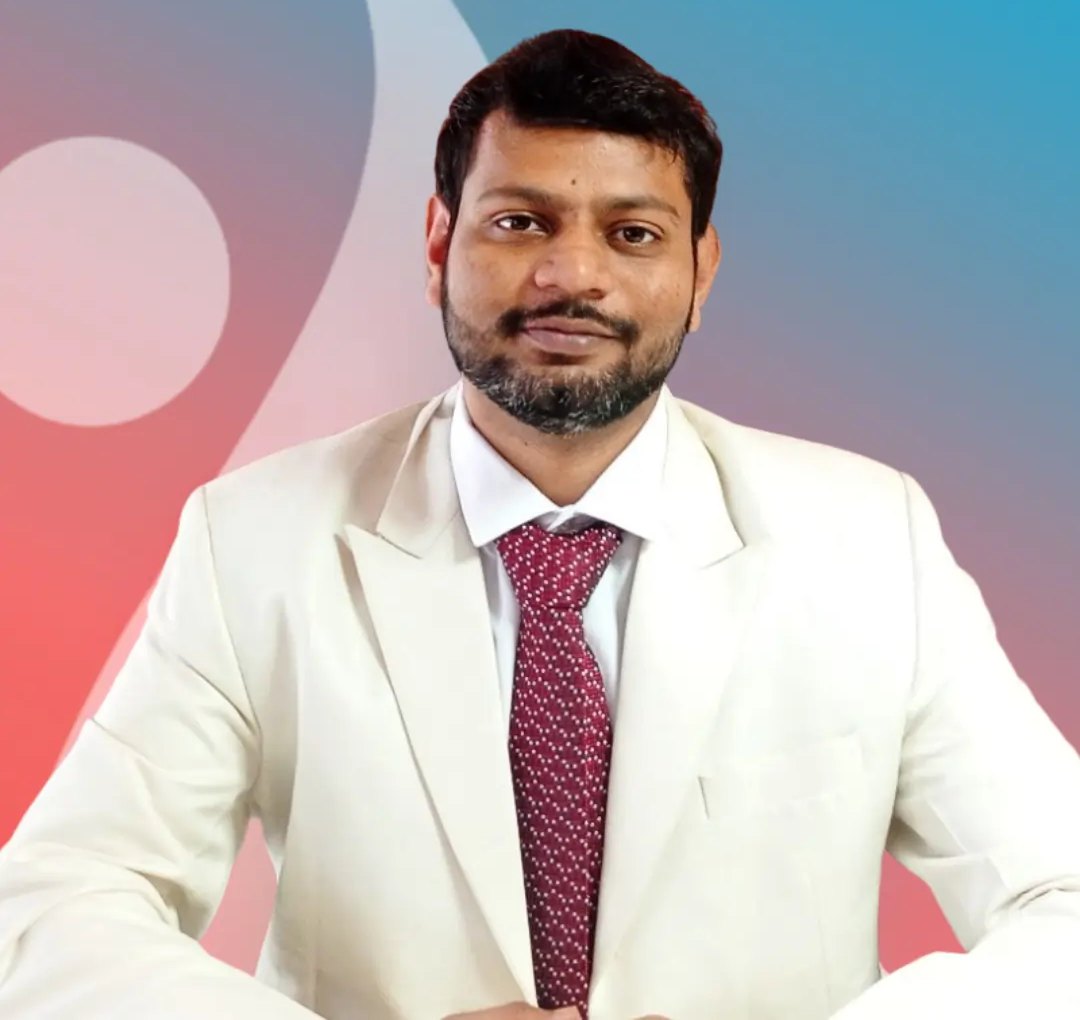
Dr. Ritwick Chatterjee
Designation: Consultant Psychiatrist
Experience: 10+
Illnesses:
SLD, Autism Spectrum Disorder, Dementia, Schizophrenia, Bipolar Disorder, OCD, Drug Addiction

Dr. Abhijit Bombe
Designation: Consultant Psychiatrist
Experience: 10+
Illnesses:
SLD, Autism Spectrum Disorder, Dementia, Schizophrenia, Bipolar Disorder, OCD, Drug Addiction

Dr. Neha Shetty
Designation: Psychiatrist
Experience: 7+
Illnesses:
SLD, Autism Spectrum Disorder, Dementia, Schizophrenia, Bipolar Disorder, OCD, Drug Addiction

Dr. Krishna Sonawane
Designation: General Physician
Experience: 5+
Illnesses:
SLD, Autism Spectrum Disorder, Dementia, Schizophrenia, Bipolar Disorder, OCD, Drug Addiction
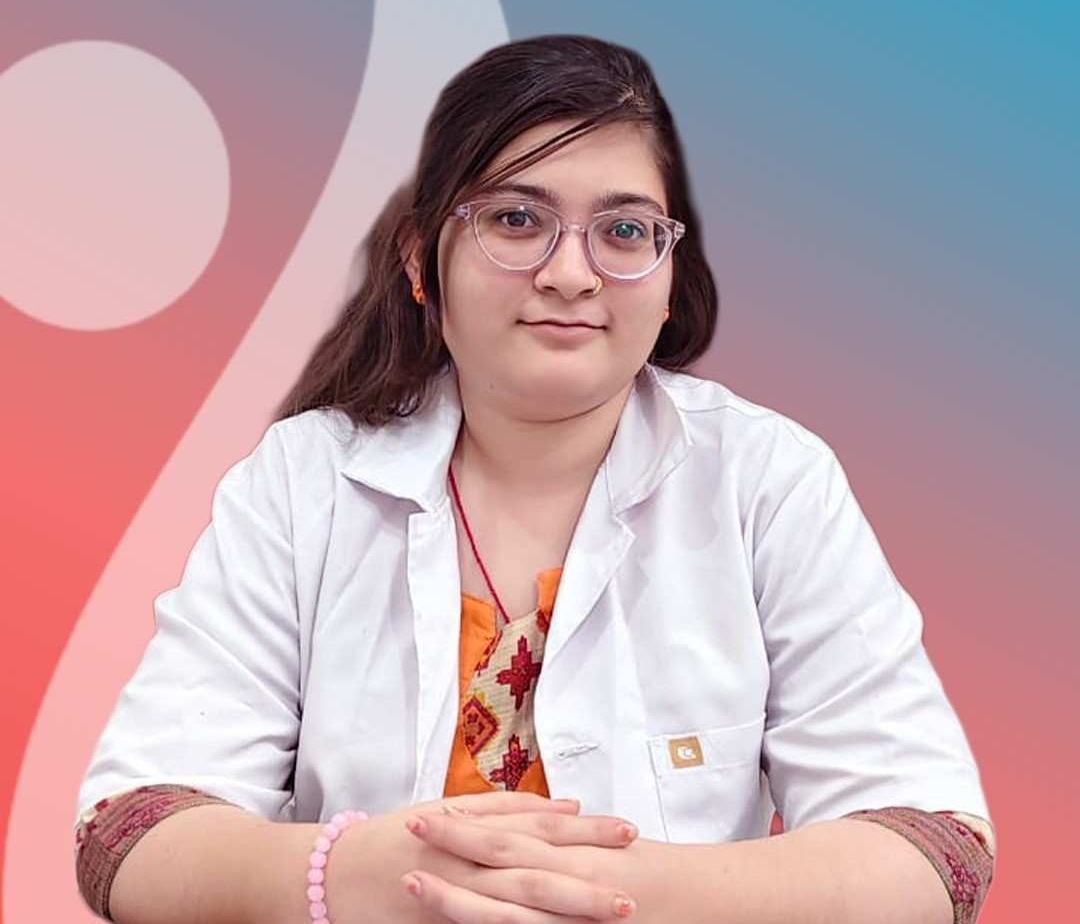
Mahima Survey
Designation: Clinical Psychologist
Experience: 7+
Illnesses:
SLD, Autism Spectrum Disorder, Dementia, Schizophrenia, Bipolar Disorder, OCD, Drug Addiction
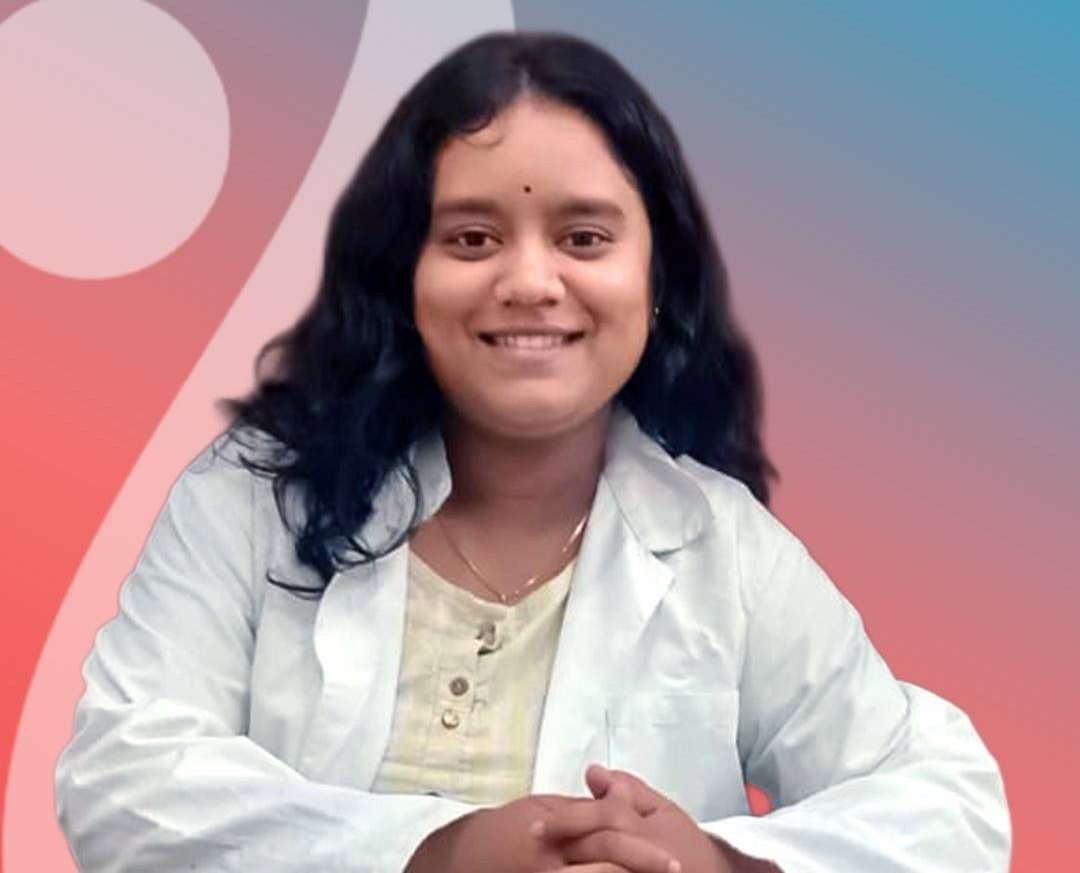
Kajal Mourya
Designation: Clinical Psychologist
Experience: 3+
Illnesses:
SLD, Autism Spectrum Disorder, Dementia, Schizophrenia, Bipolar Disorder, OCD, Drug Addiction