Post-Traumatic Stress Disorder
Calida Rehab Centre has the best treatment for Post-Traumatic Stress Disorder in the country. Patients have access to the best psychological treatment for PTSD as it also includes PTSD self-treatment under professional supervision.
About 1%
of the world's population suffers from Alcohol Dependence
3 in 1000
Estimated number of Indians who suffer from Alcohol Dependence
400+
Alcohol Dependence patients reintegrated back into society every year
25+
Professionals specializing in Alcohol Dependence treatment
Introduction
Post-Traumatic Stress Disorder (PTSD) is a complex mental health ailment. A diagnosis requires symptoms lasting over a month that significantly affect daily functioning. PTSD presents with varied symptoms affecting various aspects of a patient’s life. The ailment affects thoughts, mood, physical response and even the behaviour of a person.
Calida Rehab Centre has the best treatment for Post-Traumatic Stress Disorder in the country. Patients have access to the best psychological treatment for PTSD as it also includes PTSD self-treatment under professional supervision.
Read on to learn more about various aspects of the complex post-traumatic stress disorder treatment. Here is everything a patient needs to know about what is the treatment for post-traumatic stress disorder and more.
Post-Traumatic Stress Disorder
Post-Traumatic Stress Disorder (PTSD) is a mental health condition that occurs after experiencing or witnessing a traumatic event. The event may feel emotionally or physically harmful or even life-threatening. Trauma experienced by a patient may involve abuse, accidents, natural disasters, violence or any serious medical condition.
While some patients may experience short-term stress reactions after trauma, most do not develop PTSD. Symptoms often show up within 3 months of the exposure but can emerge later as well. PTSD commonly occurs alongside depression, substance abuse or any other physical or mental health concerns.
Causes of PTSD
Patients suffer from Post-Traumatic Stress Disorder after experiencing, witnessing or learning about disturbing events. These could involve near-death experiences, serious injury or sexual assault.
Although there are no particular reasons for developing PTSD, experts say that there could be a variety of reasons. These symptoms include:
- Experiencing highly stressful or traumatic events.
- Repeated exposure to serious situations that happened in the past.
- Family history of anxiety or depression.
- At times, inherited personality traits can cause PTSD.
- Poor regulation of stress-related chemicals and hormones by the brain.
- Low self-esteem at all times and inability to manage minor challenges in routine.
- Recurrent disturbing dreams are directly connected to the traumatic event experienced.
Diagnosis For PTSD Treatment
To diagnose Post-Traumatic Stress Disorder (PTSD), health care professionals rule out other health causes that could mimic the symptoms of PTSD. They then proceed to evaluate the mental health of a person to know what triggers the trauma.
PTSD is diagnosed when someone repeatedly and directly experiences and witnesses graphic details of an unpleasant event. If the symptom lasts for more than a month, professional help must be sought immediately. PTSD must not be managed alone as it can lead to suicidal thoughts.
Signs and Symptoms of Post-Traumatic Stress Disorder
Calida Rehab Centre is one of the best PTSD treatment centres because of its thorough diagnosis. Here are 7 main symptoms exhibited by a person suffering from PTSD:
- PTSD symptoms can begin within three months of a traumatic event. However, symptoms may not appear until years later. Once these symptoms show up, the life of patients is disrupted. Their relationships do not work and work life gets affected.
- PTSD is generally categorised into 4 groups: intrusive memories, avoidance, negative moods and altered thinking patterns. Patients have heightened physical and emotional reactions to situations.
- Intrusive symptoms include the occurrence of repetitive distressing memories. Patients suffer from flashbacks, nightmares and intense emotional reactions to triggers.
- Avoidance symptoms include avoiding thinking or talking about the event. Patients avoid people, places or activities linked to the trauma.
- Negative thinking and mood changes show up as pessimistic thoughts. Patients suffer from relentless feelings of guilt, emotional numbness, memory gaps and loss of interest in usual activities.
- Arousal symptoms include irritability. Patients suffer from troubled sleep, poor concentration, aggressive behaviour and physical stress reactions.
What Is The Treatment for Post-Traumatic Stress Disorder?
Calida Rehab Centre is one of the best PTSD treatment centres owing to the personalised attention paid to each patient. PTSD treatment helps a patient regain stability and confidence. Therefore, to achieve so, patients must opt for psychotherapy supported by medication when needed.
Together, they teach coping skills and reshape unhelpful thoughts. Mental health experts aim to reduce stress and prevent relapse. They also make sure that other mental health ailments like anxiety and depression are kept at bay.
PTSD Treatment Plan:
A PTSD treatment plan must outline clear goals and underline measurable objectives. Mental health experts at Calida Rehab Centre specify a criteria to evaluate progress. A safety plan is included in the treatment to address emergencies.
Psychotherapy Sessions
First-line treatment for PTSD includes psychotherapies and mental healing for the patient. A PTSD drug treatment will only be effective if a patient is being counselled properly. Appropriate therapies are essential for a sustainable recovery. Therapists opt for evidence-based interventions that match the client’s symptoms and address essential aspects of PTSD.
Here are some of the most effective therapies recommended to patients:
Cognitive Processing Therapy
Cognitive processing therapy targets PTSD by addressing painful decisions. This therapy is an important component of PTSD nightmare treatment. Therapists at Calida Rehab centre work on addressing guilt, remorse and shame by correcting trauma-related beliefs of a patient. Patients are trained to face distressing thoughts and memories in a structured and supportive way.
Exposure Therapy
Exposure therapy gradually and safely helps a patient confront their memories. Patients confront frightening memories and revisit traumatic situations in a controlled environment. It is especially useful for flashbacks and nightmares. Mental health experts at Calida Rehab Centre even use virtual reality to recreate trauma settings for healing.
EMDR Therapy
EMDR Therapy or Eye Movement Desensitisation and Reprocessing Therapy uses guided eye movements while processing traumatic memories. The therapy aims to reduce stress on the patient’s mind to promote healing. Research shows EMDR is effective and often works faster than other traditional approaches.
Group Therapy
Group Therapy allows people with similar trauma to share their experiences. What makes Calida Rehab Centre one of the rehab centres is that experiences are shared under the guidance of expert health practitioners. Family members can participate as PTSD can deeply impact loved ones and relationships.
Prolonged Exposure Therapy
Prolonged Exposure Therapy repeatedly revisits trauma memories. Mental health experts under a PTSD treatment plan address triggers in a safe and controlled environment. This gradual exposure reduces fear and builds confidence over time. Patients are trained to develop healthier coping responses over time.
Trauma-Focused CBT
Trauma-focused cognitive behavioural therapy teaches a patient how trauma affects the body and the mind. Patients help identify unhelpful thoughts and build better coping skills. The therapy involves a controlled exposure to trauma reminders to reduce symptoms and improve the functioning of patients.
Post-Traumatic Stress Disorder Treatment Medication
Antidepressants and post-traumatic stress disorder treatment medication must not be consumed casually. Health experts at Calida Rehab Centre prescribe medication after a complete health evaluation of a patient.
What makes Calida Rehab Centre one of the best PTSD treatment centres is that they have access to the best medical practitioners. Experts prescribe and administer SSRIs or Selective Serotonin Reuptake Inhibitors under a controlled environment. Antipsychotics are only prescribed when patients are diagnosed with treatment-resistant depression.
PTSD Self-Treatment
Mental health experts at Calida Rehab Centre support self-care. Patients are encouraged to maintain their routines and connect with trusted people when ready. Patients are prohibited from alcohol or drug consumption and avoid physical exertion.
This complex PTSD treatment plan also includes following a diet that supports ayurvedic treatment for PTSD. Yoga and meditation are propagated at the facility. The best yoga experts from all over the country are recruited to treat patients suffering from psychological ailments.
Mental health experts at Calida Rehab Centre help a patient align their mind and body. Stress management techniques like deep breathing and muscle relaxation are promoted to enhance the overall well-being of a patient.
Call our 24-hour free confidential helpline.
Treatments
Got Questions About Our Treatment Programs?
Find answers to common questions about our treatment programs, admission process, and what to expect during your recovery journey
What is the best PTSD treatment plan?
Is there any Post-Traumatic Stress Disorder treatment medication?
Which rehab centre offers the best treatment for Post-Traumatic Stress Disorder?
What kind of facilities are offered to patients at Calida Rehab Centre?
What is a good PTSD treatment plan?
A PTSD treatment plan must include PTSD self-treatment routines, emotional management and government-approved PTSD treatment medication. Calida Rehab Centres is one of the best PTSD treatment centres as they offer the latest psychological treatment for PTSD.
Experts Who Will Guide Your Recovery

Dr. Prashant Dasud
Designation: Consultant Psychiatrist
Experience: 15+
Illnesses:
SLD, Autism Spectrum Disorder, Dementia, Schizophrenia, Bipolar Disorder, OCD, Drug Addiction

Dr. Santosh Pawar
Designation: Consultant Psychiatrist
Experience: 15+
Illnesses:
SLD, Autism Spectrum Disorder, Dementia, Schizophrenia, Bipolar Disorder, OCD, Drug Addiction

Dr. Pooja Vilas Misal
Designation: Consultant Psychiatrist
Experience: 10+
Illnesses:
SLD, Autism Spectrum Disorder, Dementia, Schizophrenia, Bipolar Disorder, OCD, Drug Addiction

Dr. Ritwick Chatterjee
Designation: Consultant Psychiatrist
Experience: 10+
Illnesses:
SLD, Autism Spectrum Disorder, Dementia, Schizophrenia, Bipolar Disorder, OCD, Drug Addiction

Dr. Abhijit Bombe
Designation: Consultant Psychiatrist
Experience: 10+
Illnesses:
SLD, Autism Spectrum Disorder, Dementia, Schizophrenia, Bipolar Disorder, OCD, Drug Addiction

Dr. Neha Shetty
Designation: Psychiatrist
Experience: 7+
Illnesses:
SLD, Autism Spectrum Disorder, Dementia, Schizophrenia, Bipolar Disorder, OCD, Drug Addiction

Dr. Krishna Sonawane
Designation: General Physician
Experience: 5+
Illnesses:
SLD, Autism Spectrum Disorder, Dementia, Schizophrenia, Bipolar Disorder, OCD, Drug Addiction
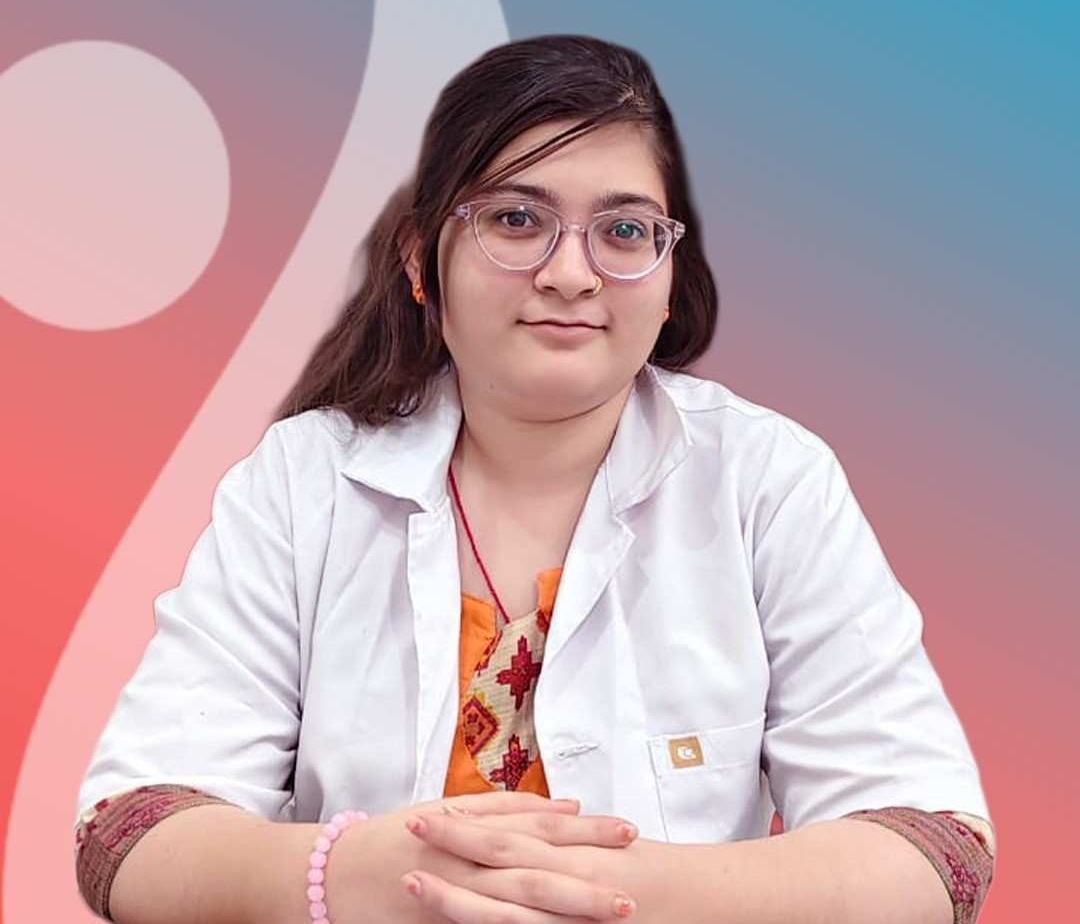
Mahima Survey
Designation: Clinical Psychologist
Experience: 7+
Illnesses:
SLD, Autism Spectrum Disorder, Dementia, Schizophrenia, Bipolar Disorder, OCD, Drug Addiction
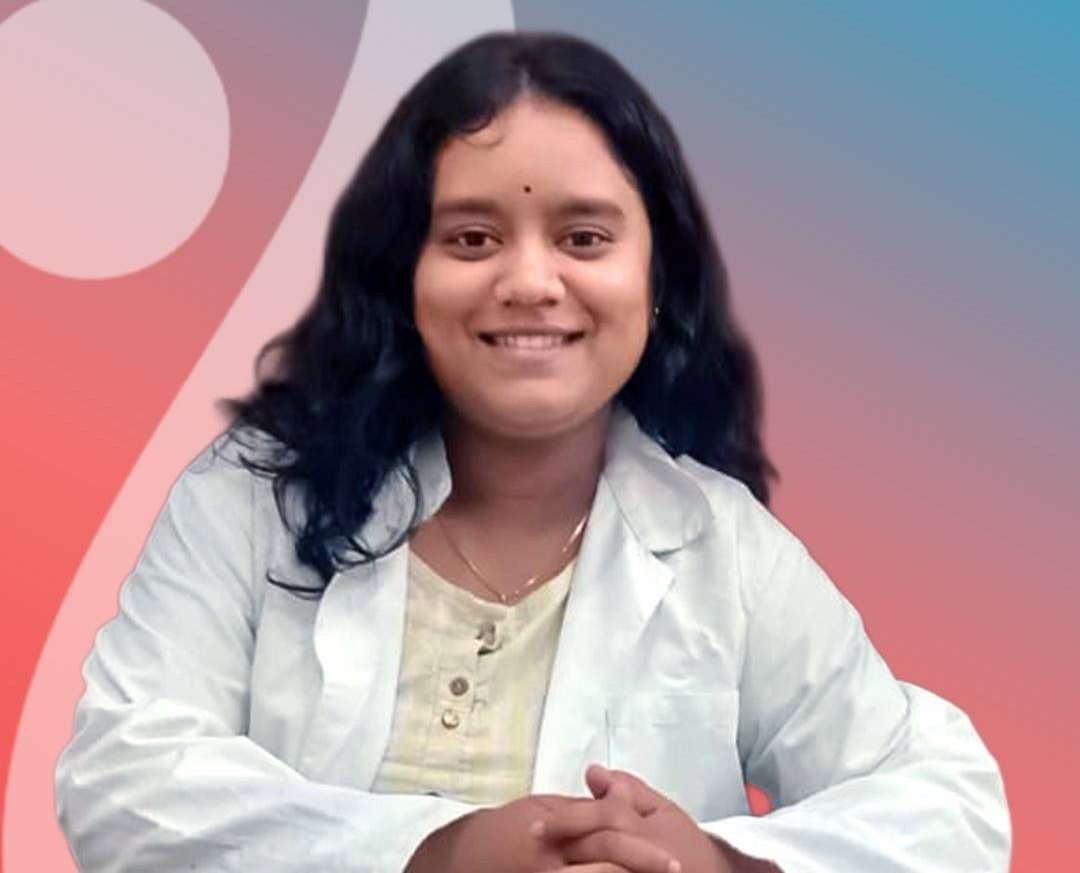
Kajal Mourya
Designation: Clinical Psychologist
Experience: 3+
Illnesses:
SLD, Autism Spectrum Disorder, Dementia, Schizophrenia, Bipolar Disorder, OCD, Drug Addiction