Marijuana Addiction Treatment
3% India’s
adult population reports cannabis use (AIIMS/Ministry of Social Justice)
25 Lakh+
Estimated Indians dealing with Cannabis Use Disorder each year.
2- 3x
Higher daily users are 2–3 times more likely to develop dependence than occasional users.
70%
Patients face withdrawal symptoms like irritability and disturbed sleep during recovery.
Introduction
Cannabis Use Disorder (CUD) is a complex condition marked by an unhealthy or compulsive pattern of marijuana use. The condition can range from mild dependence to severe addiction but is fully treatable with timely support. If left untreated, CUD can affect a person’s health, relationships and overall well-being. Like any other addiction, Cannabis Use Disorder must be treated seriously and enough time must be given to the mind and body to recover properly.
Here’s everything you need to know on marijuana addiction treatment for recognising the signs early and seeking timely support for effective recovery.
Understanding Marijuana Addiction
Marijuana Addiction is a mental health condition where cannabis or marijuana use becomes problematic, causing distress or interfering with daily life. Cannabis comes from the Cannabis sativa plant, which contains over 500 chemicals, including CBD (Cannabidiol) and THC (Tetrahydrocannabinol). Marijuana refers to cannabis products with enough THC to produce a “high”. Cud mainly involves these THC-containing substances. The disorder ranges from mild to severe and may include severe cravings, increased tolerance and withdrawal symptoms.
Diagnosis of Marijuana Addiction
Diagnosing marijuana addiction requires a skilled and dedicated team of doctors and counsellors. They must be qualified to assess the level of addiction and evaluate how cannabis affects a patient’s physical health, mental well-being and overall functioning.
Comprehensive Evaluation for Marijuana Addiction
Cannabis Use Disorder is diagnosed by reviewing personal and family substance or mental health history. The medical background of a person is assessed and environmental stressors are also analysed. Laboratory tests can confirm the presence of drugs in the blood but cannot alone diagnose or exclude the disorder. These tests detect cannabis use, but results alone cannot confirm or exclude the disorder; comparing reported intake with blood levels offers better insight.
Key Symptoms and Behaviours to Watch For
Cannabis Use Disorder occurs when cannabis use causes significant problems. Experiencing at least 2 symptoms within 12 months- such as cravings, risky use, failed control and reduced physical activities are some of the most potent symptoms.
Symptoms also include consistent work-related issues that reflect growing impairment in daily life. Severity of the symptoms is based on: mild level, moderate level and severe, reflecting increasing functional impairment.
Cannabis Use Disorder can impair cognitive functions, causing concentration difficulties. Patients suffer from memory issues and weakened decision-making abilities. Substance use increases the risk of psychiatric conditions. Patients end up suffering from depression, schizophrenia, substance disorders and potential psychosis.
Steps of the Marijuana Addiction Treatment Process
Here is the de-addiction treatment process which a sustainable full recovery and a holistic re-development of the mind and body of the patients:
Initial Patient Analysis
The first step of marijuana addiction treatment is tracing the reason for addiction. The aim is relapse prevention which makes the problem easier to treat. This initial assessment helps an expert to understand the habits of the addict so that the treatment can be framed accordingly.
Detoxification and Withdrawal Management
Detox includes gradually reducing the dose of marijuana so that the body can accept the change. There are a few drugs prescribed to manage certain withdrawal symptoms. However, oral dosage of tetrahydrocannabinol is prescribed at certain times to manage the withdrawal phase. For muscle pain and anxiety issues, antidepressants are also prescribed.
Inpatient and Outpatient Care Options
Inpatient marijuana addiction and treatment care facilities are secure. A 24/7 care is available for the patient to be looked after. This is usually preferred by patients suffering from severe addiction who do not have responsibilities at home.
Effective Marijuana Addiction Treatment Approaches
A one-size-fits-all approach is ineffective for marijuana addiction because each person’s emotional and physical health needs differ. Since cannabis can worsen underlying traits, the following therapies have proven to be particularly beneficial for individualised care:
Behavioural Therapies for Marijuana Addiction
The marijuana addiction treatment works on reducing cravings. Improving communication with family and friends is also encouraged in the process. Dialectical Behavioural Therapy (DBT) trains patients to manage their emotions and trace destructive behaviour. The aim is to treat a patient effectively so that they can live their lives responsibly.
Cognitive and Behavioural Therapy (CBT)
CBT helps patients by clarifying false beliefs about drug consumption. The therapy eliminates personal insecurities that can lead to substance abuse. The therapy addresses personal and familial issues that caused addiction in the first place. Negative automatic thoughts that occupy the mind of an addict are also dealt with.
Motivational Enhancement Therapy (MET)
MET enables an addict to resolve contradictory feelings about drugs and alcohol. It focuses on internally motivating a patient to mark out thought and reality. The process includes making the patient understand that talking about addiction is not taboo. Moreover, resisting the intake of drugs is a part of the process. Self-efficacy is reinforced to make the addict feel confident to conquer his addiction.
Contingency Management (CM)
This therapy for marijuana addiction drug treatment is a type of behavioural therapy in which a patient is rewarded for following the treatment religiously. Also known as Motivational Incentive Treatment, this therapy works on the principle that apprehended consequences govern behaviour. This accelerates the recovery process and reduces the chances of relapse.
Yoga, Acupuncture and the Role of Mindfulness
Yoga, acupuncture and mindfulness practices support marijuana addiction treatment. This helps in the management of stress, eases withdrawal symptoms and helps in emotional regulation. Patients become more aware of triggers and gain more self-control which helps in managing cravings.
Nutritional Support and Exercise Programs
Nutritional support and exercise programs improve the overall health of a patient who was compromised by marijuana addiction. Balanced diets stabilise the mood and emotions of patients while regular physical activity reduces stress. This repairs the body from within and allows the patient to recover with resilience.
Medication-Assisted Treatment for Marijuana Addiction
Exploring Medications for Withdrawal and Cravings
Marijuana addiction treatment medication helps treat symptoms like insomnia, stress and heightened irritability. As such, there are no particular drugs available to treat the addiction completely but managing symptoms helps the recovery become -easier.
Marijuana addiction and treatment also include the consumption of antidepressants and anxiolytics. This medication also helps in recovery from stress which helps in long-term recovery of the patient. Nature-based foods like chamomile tea, turmeric, bananas, nuts, leafy greens and omega-rich seeds help improve the quality of sleep and support long-term emotional and psychological well-being.
Marijuana De-Addiction Treatment at Calida Rehab
The following aspects of marijuana addiction treatment focus on rebuilding the confidence of a patient. Here are certain steps that set Calida Rehab Centre apart from the rest:
Family Involvement and Educational Sessions
Mental health experts involve the family and friends in the treatment. Patients understand addiction, improve their communication skills and create a supportive home environment. This strengthens recovery and reduces the risk of relapse. The aim is to keep the family involved in the treatment so that patients can avoid feelings of loneliness.
Aftercare Planning
Aftercare planning ensures long-term recovery by offering follow-up support and discussing relapse-prevention strategies. Consistent counselling and lifestyle guidance encourage patients to feel better. Patients stay accountable and are able to manage triggers which helps maintain healthy habits and more.
Supportive Staff and Confident Team of Doctors
A skilled team of doctors and dedicated support staff provides personalised care and monitors emotional progress. These mental health professionals address the emotional and physical needs of a patient at all times. Their expertise builds trust and enhances the effectiveness of the treatment which encourages sustained recovery.
Client-Centred Approach
A client-centric approach tailors treatment as per each patient’s needs and challenges. The treatment aims to respect personal experiences and strengthen the motivation of a patient so that he or she can manage his life independently once the treatment is over.
Call our 24-hour free confidential helpline.
Treatments
Frequently Asked Questions
Find answers to common questions about our treatment programs, admission process, and what to expect during your recovery journey
What is Marijuana Addiction Treatment?
How Effective is Marijuana Addiction Treatment?
How Long Does Treatment Take?
What are the Side Effects of Treatment?
Experts Who Will Guide Your Recovery
Dr. Prashant Dasud
Designation: Consultant Psychiatrist
Experience: 15+
Illnesses:
SLD, Autism Spectrum Disorder, Dementia, Schizophrenia, Bipolar Disorder, OCD, Drug Addiction

Dr. Santosh Pawar
Designation: Consultant Psychiatrist
Experience: 15+
Illnesses:
SLD, Autism Spectrum Disorder, Dementia, Schizophrenia, Bipolar Disorder, OCD, Drug Addiction

Dr. Pooja Vilas Misal
Designation: Consultant Psychiatrist
Experience: 10+
Illnesses:
SLD, Autism Spectrum Disorder, Dementia, Schizophrenia, Bipolar Disorder, OCD, Drug Addiction
Dr. Ritwick Chatterjee
Designation: Consultant Psychiatrist
Experience: 10+
Illnesses:
SLD, Autism Spectrum Disorder, Dementia, Schizophrenia, Bipolar Disorder, OCD, Drug Addiction
Dr. Abhijit Bombe
Designation: Consultant Psychiatrist
Experience: 10+
Illnesses:
SLD, Autism Spectrum Disorder, Dementia, Schizophrenia, Bipolar Disorder, OCD, Drug Addiction
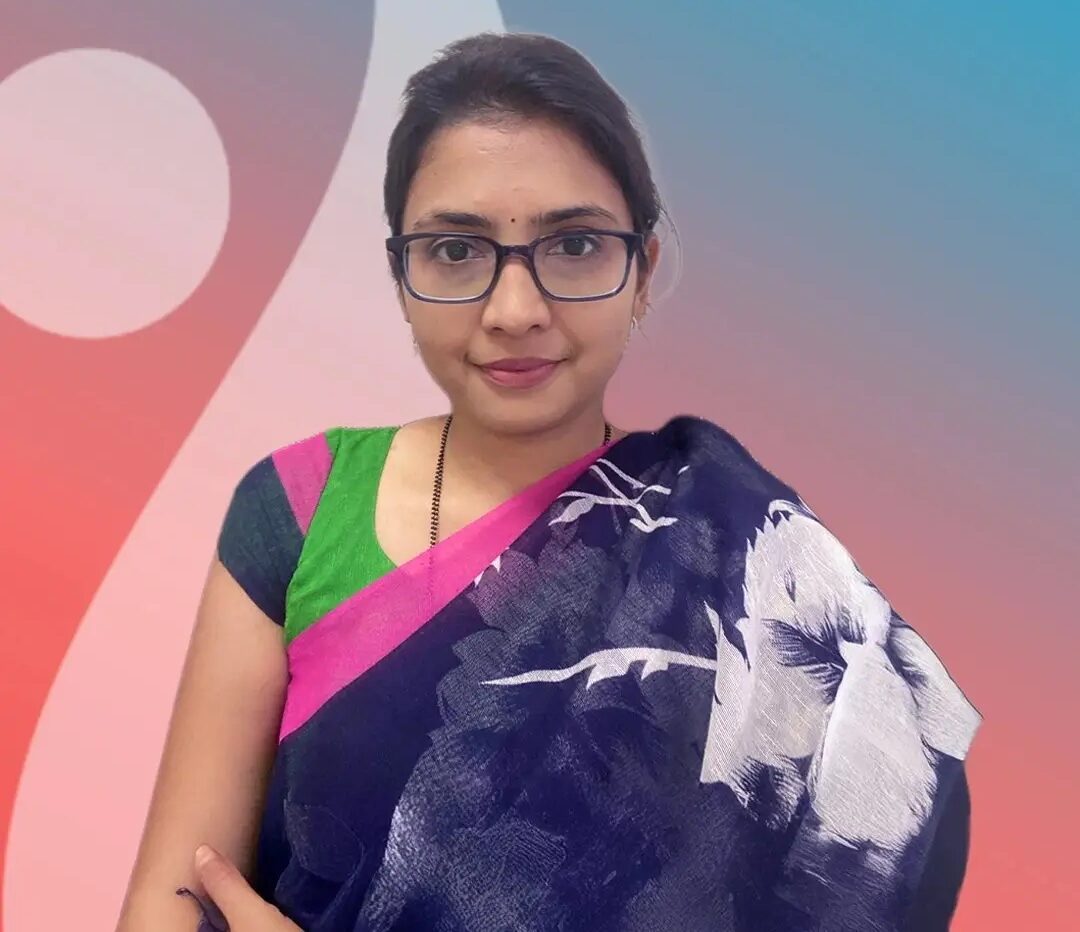
Dr. Neha Shetty
Designation: Psychiatrist
Experience: 7+
Illnesses:
SLD, Autism Spectrum Disorder, Dementia, Schizophrenia, Bipolar Disorder, OCD, Drug Addiction

Dr. Krishna Sonawane
Designation: General Physician
Experience: 5+
Illnesses:
SLD, Autism Spectrum Disorder, Dementia, Schizophrenia, Bipolar Disorder, OCD, Drug Addiction
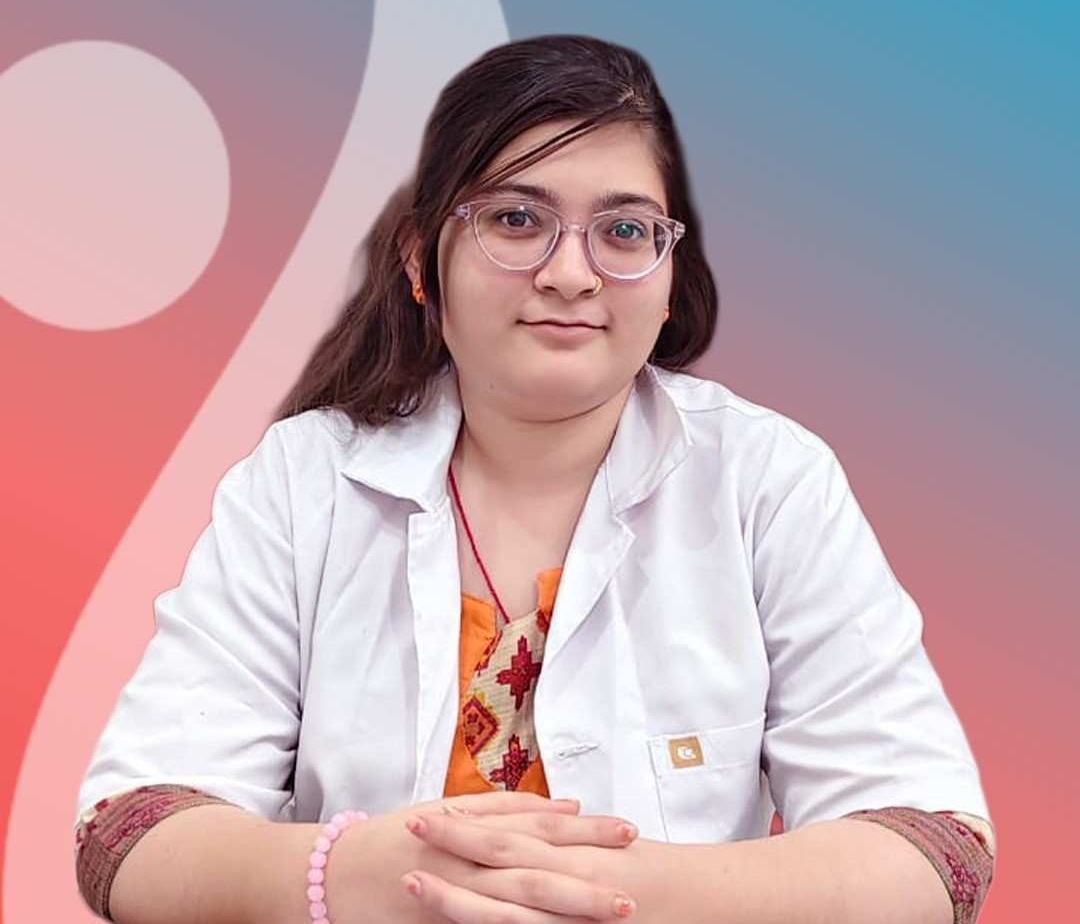
Mahima Survey
Designation: Clinical Psychologist
Experience: 7+
Illnesses:
SLD, Autism Spectrum Disorder, Dementia, Schizophrenia, Bipolar Disorder, OCD, Drug Addiction
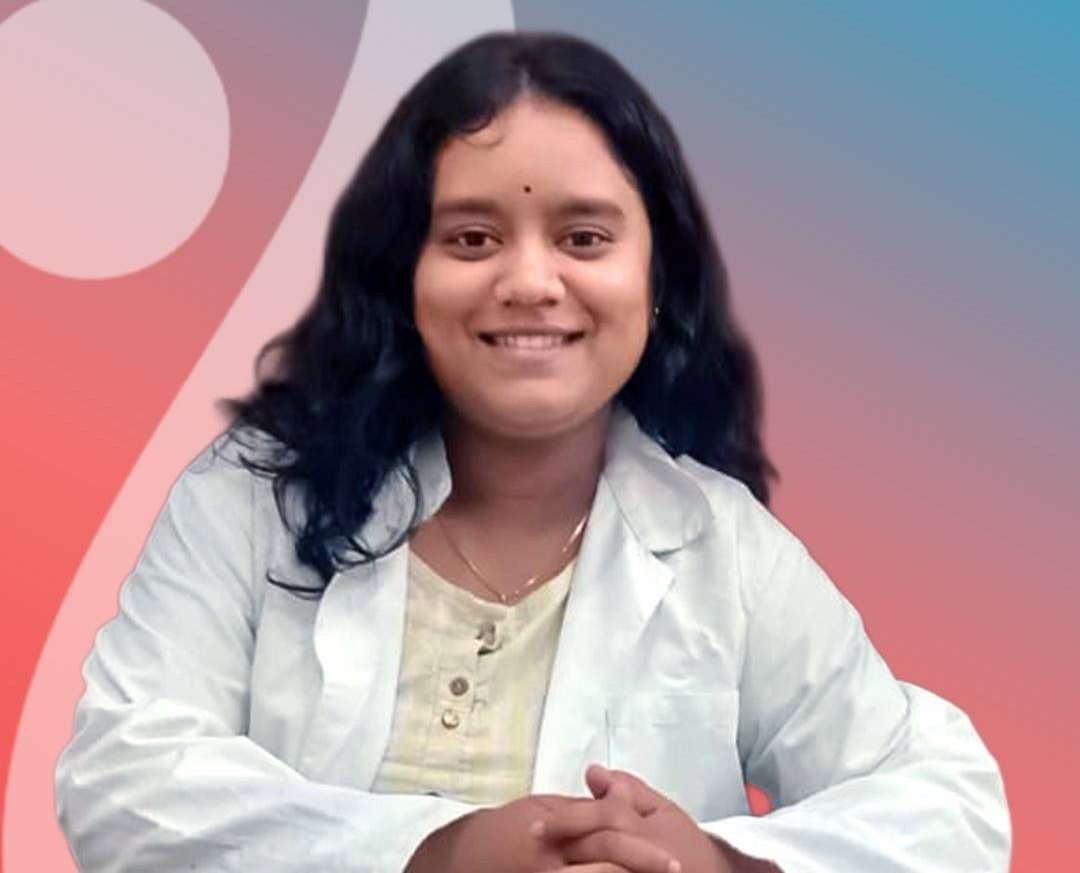
Kajal Mourya
Designation: Clinical Psychologist
Experience: 3+
Illnesses:
SLD, Autism Spectrum Disorder, Dementia, Schizophrenia, Bipolar Disorder, OCD, Drug Addiction