Dementia Disorder
5–8%
Global population aged 60+ living with dementia (WHO estimate)
1 in 27
Indians currently living with dementia (approx. 8–9 million people)
60–70%
Patients show better quality of life when given early diagnosis, therapy, & family support
75–80%
Treatment Gap: Most dementia patients in India do not receive proper diagnosis or care
Introduction
Dementia is a serious brain condition that causes a continuous decline in brain activity. The number of patients suffering from dementia is rising in the entire world. Diagnosing dementia can be challenging. However, specialists can also diagnose dementia through a thorough clinical evaluation.
Early diagnosis of dementia is crucial as it allows timely support seeking and better planning. Treatments that ensure the slow progression of the ailment are also available. However, medication must only be taken after professional consultation.
Read on to learn more about how with family support, professional help and social workers a patient can feel stronger allowing the progression of the disease to slow down.
What is Dementia?
Dementia refers to a group of mental conditions that impair memory and thinking abilities. Dementia is a collective term ailments that affect memory retention and other mental abilities that thoroughly interfere with the human body.
Therefore, dementia is a medical disorder that affects how the brain processes information. Dementia risk increases with age, making those above the age of 65 the most commonly affected patients.
Although ageing does not guarantee the onset of dementia, the ailment is generally more commonly found among older adults. The ailment progresses differently for every person.
Various Types of Dementia Are:
- Vascular Dementia
- Alzheimer’s
- Lewy Body
- Huntington
- Mixed Dementia
- Lewy Body
Risk Factors Associated With Dementia:
Patients suffering from Down syndrome are prone to early-onset Alzheimer’s disease as they reach middle age. Poor cardiovascular health which includes problems like chronic high blood pressure and high cholesterol can damage the blood vessels of the body.
With reduced flow of blood to the brain, patients are at a higher risk of having dementia. Overall deterioration of the human body is highly likely as poor brain functioning starts affecting other organs of the body also.
What Are The Effects of Dementia On Patients?
- Dementia affects far more than the cognitive functioning of a person. Patients struggle with independence which can cause depression.
- Patients suffer from personality changes, which increase general discomfort among people.
- Increasing support in daily life is required. From physical aid to cognitive and emotional support, some patients need support in all aspects of life.
- The disorder also places substantial psychological and financial demands on caregivers and families.
What Are the Causes of Dementia?
Several risk factors increase the likelihood of developing dementia. Advancing age, specifically going beyond 65, is a major contributor. Other factors that can lead to the development of dementia are:
- Alzheimer’s is the leading cause of dementia which accounts for most cases. Dementia can also develop because of injuries to the brain.
- Health conditions like diabetes, hypertension and obesity also raise the risk of developing dementia.
- Poor lifestyle habits like leading a sedentary life, smoking, consuming excessive alcohol and chronic isolation deteriorate mental health of a person.
- Nutritional deficiencies expedite the deterioration of dementia. Repeated brain injuries also affect a person’s cognitive abilities leading to dementia.
- Mental health concerns like depression and post-traumatic stress disorder also heighten the vulnerability of a person.
What Are The Signs and Symptoms of Dementia?
Dementia symptoms can be very different for people. No two patients exhibit the same set symptoms as there. However, there are some very common symptoms that are mostly evident in maximum cases.
Here are 4 essential signs and symptoms exhibited by patients suffering from dementia:
1. Emotional and Behavioural Changes
Shifts in mood and behaviour can appear before any noticeable memory issues. Patients become more anxious, irritated and withdrawn as they struggle with these cognitive changes. Behavioural changes include opting for seclusion or seeking company at all times. Patients often feel frustrated or confused as performing routine tasks begins to feel more difficult.
2. Cognitive and Functional Signs
In the early stage of the ailment, patients forget the latest happening, misplace their personal items and lose their way in familiar places. Patients suffer from poor decision-making skills and are not able to follow conversations. They do not follow conversations properly and need more assistance with memory and reasoning.
3.Personality Shifts
Patients develop personality shifts that alter their behaviour in social settings. They display inappropriate behaviour and withdraw from social life. They exhibit a reduced interest in emotions and people around them. They are less emotionally available because of which affects their personal life.
4. Increased Care Needs
Patients suffering from dementia also suffer from physiological problems. Dementia progresses differently among patients depending on their overall physical health. Having no or poor control over bowel movements, shivering and shaking and exhibiting aggressive behaviour can force a patient to seek help from others for every minor routine task.
What Are The Treatments of Dementia?
Modern tools like advanced brain scans and biomarker tests have improved the diagnosis process. Once the diagnosis is done, therapists administer the following therapies depending on the condition of the patient:
- Cognitive Stimulation Therapy is a group-based activity. Therapists include cognitive exercises that strengthen the memory, language and problem-solving skills of a patient. Patients gain meaningful mental and social benefits that treat mild to moderate dementia.
- Cognitive Rehabilitation helps patients achieve personal goals. Patients can use stronger cognitive abilities to compensate for weaker ones in routine.
- Therapists design personalised daily plans and improve the communication and motor skills of patients. They recommend modifications and guide families to support independence.
- Experts create a supportive environment for patients. Patients are indulged in sensory activities like singing that enhance relaxation. They aim to engage a patient as much as possible.
How Can You Support The Recovery Of Dementia Patients?
- Encourage patients to follow a healthy routine. Patients must be encouraged to eat healthy and exercise regularly.
- Keeping the mind engaged at all times. Productive activities must be taken up by patients to keep their minds occupied. Mind games like SoDoKu and word games will keep the mind occupied and sharpen the brain of a patient.
- Building a strong support system of friends is essential. Patients must have a strong group of family members whom they can talk to and more.
- Emotional support is essential for patients. Encourage well-wishers of patients to be around them. Meeting everyone regularly can jog up a patient’s memory and allow him to stay active at all times.
Possible Ways to Prevent Dementia:
- Maintaining a healthy weight is essential for the human brain. Excessive fat and muscle loss in the body can cause problems. Not only does it restrict the movement of a person but it also has a negative impact on the personality.
- Controlling blood pressure and blood sugar levels maintains the flow of blood in the vessels. This helps control cognitive decline and supports long-term brain health. Not only does it prevent dementia, but keeping such parameters under control also helps a patient to avoid other illnesses.
- Staying physically active improves blood flow to the brain. This strengthens the heart and is beneficial for the overall health of the body. Patients who follow a healthy lifestyle yet fall prey to dementia progress slowly and are also able to recover to some extent. Their physical deterioration rate is also slow.
- Ensuring proper rest for the brain and maintaining a circadian rhythm is a must for the health of the brain. Consistent sleep schedules clear toxins from the body and store memories properly.
- Avoid alcohol and other addictive substances to reduce the risk of long-term memory impairment. Excessive consumption of alcohol damages nerves which increases the risk of developing dementia, Alzheimer’s and so on.
- Regular brain checks and diagnosis after suffering from a brain injury are a must. Sometimes, internal bleeding is not diagnosed on the first go. Regular follow-ups and timely reporting of symptoms like headaches are essential.
Call our 24-hour free confidential helpline.
Treatments
Frequently Asked Questions
Find answers to common questions about our treatment programs, admission process, and what to expect during your recovery journey
Which psychotherapies are included when treating dementia?
What are the most common types and symptoms of dementia?
How is dementia diagnosed?
Is there a permanent cure for dementia?
What are the complications of dementia?
Experts Who Will Guide Your Recovery

Dr. Prashant Dasud
Designation: Consultant Psychiatrist
Experience: 15+
Illnesses:
SLD, Autism Spectrum Disorder, Dementia, Schizophrenia, Bipolar Disorder, OCD, Drug Addiction

Dr. Santosh Pawar
Designation: Consultant Psychiatrist
Experience: 15+
Illnesses:
SLD, Autism Spectrum Disorder, Dementia, Schizophrenia, Bipolar Disorder, OCD, Drug Addiction

Dr. Pooja Vilas Misal
Designation: Consultant Psychiatrist
Experience: 10+
Illnesses:
SLD, Autism Spectrum Disorder, Dementia, Schizophrenia, Bipolar Disorder, OCD, Drug Addiction

Dr. Ritwick Chatterjee
Designation: Consultant Psychiatrist
Experience: 10+
Illnesses:
SLD, Autism Spectrum Disorder, Dementia, Schizophrenia, Bipolar Disorder, OCD, Drug Addiction

Dr. Abhijit Bombe
Designation: Consultant Psychiatrist
Experience: 10+
Illnesses:
SLD, Autism Spectrum Disorder, Dementia, Schizophrenia, Bipolar Disorder, OCD, Drug Addiction

Dr. Neha Shetty
Designation: Psychiatrist
Experience: 7+
Illnesses:
SLD, Autism Spectrum Disorder, Dementia, Schizophrenia, Bipolar Disorder, OCD, Drug Addiction

Dr. Krishna Sonawane
Designation: General Physician
Experience: 5+
Illnesses:
SLD, Autism Spectrum Disorder, Dementia, Schizophrenia, Bipolar Disorder, OCD, Drug Addiction

Mahima Survey
Designation: Clinical Psychologist
Experience: 7+
Illnesses:
SLD, Autism Spectrum Disorder, Dementia, Schizophrenia, Bipolar Disorder, OCD, Drug Addiction
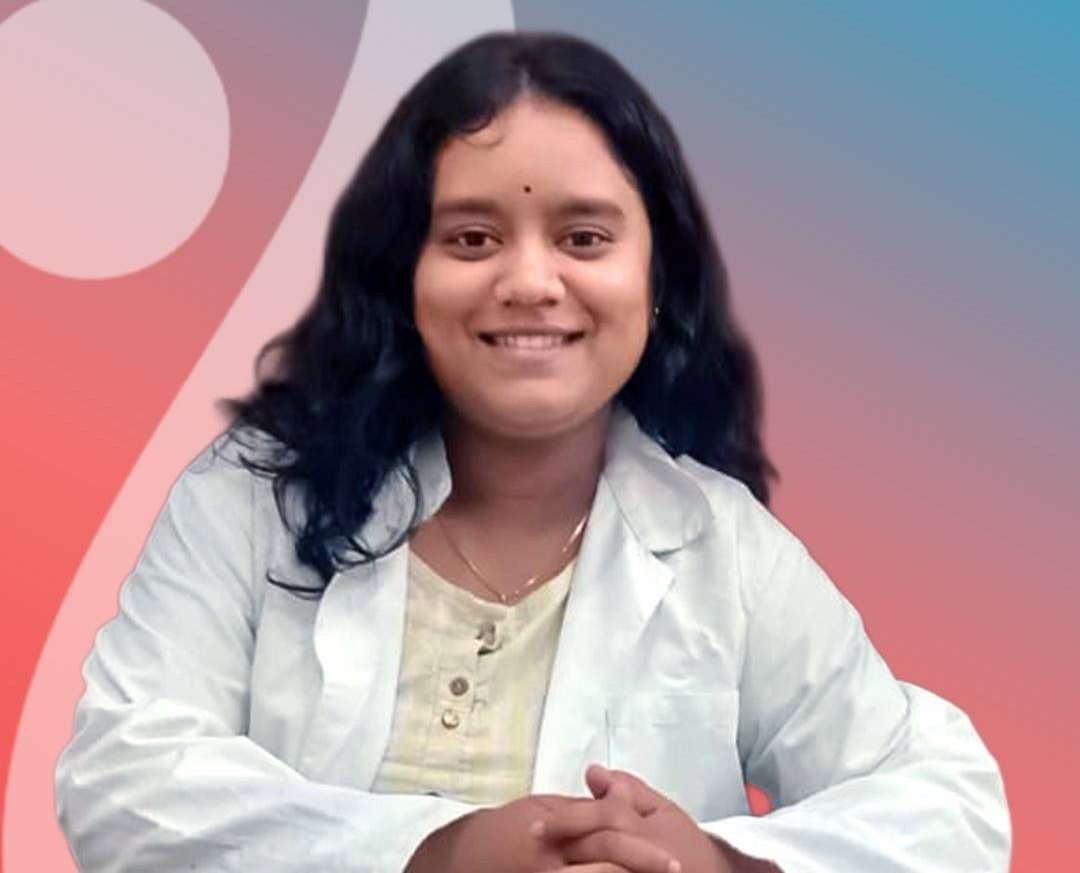
Kajal Mourya
Designation: Clinical Psychologist
Experience: 3+
Illnesses:
SLD, Autism Spectrum Disorder, Dementia, Schizophrenia, Bipolar Disorder, OCD, Drug Addiction