Anxiety Disorder
About 1%
of the world's population suffers from Alcohol Dependence
3 in 1000
Estimated number of Indians who suffer from Alcohol Dependence
400+
Alcohol Dependence patients reintegrated back into society every year
25+
Professionals specializing in Alcohol Dependence treatment
Introduction
Anxiety Disorder involves excessive fear, worry or dread. However, these feelings do not match the situation of a patient as he or she is in a secure position. Types of anxiety disorders include generalised anxiety, social anxiety and even specific phobias. Effective treatment of anxiety disorders combines medication with psychotherapy to control the symptoms.
Read on to learn more about anxiety disorder, treatment of anxiety disorder and signs and symptoms of anxiety disorder.
What is Anxiety Disorder?
Anxiety Disorder is when a patient suffers from excessive fear and dread of situations. Unlike normal momentary nervousness, patients feel overwhelmed and are not able to function properly.
Disproportionate reactions are triggered and a feeling of discomfort sets in within a few seconds. The disorder can affect people from all age groups irrespective of gender. However, the disorder is more common among women owing to their hormones.
Types of Anxiety Disorders
Generalised Anxiety Disorder (GAD)
Generalised Anxiety Disorder involves persistent and excessive worrying about routine. Patients worry about their work, health and routine tasks which causes persistent fear. A person suffering from GAD finds it difficult to manage routine and function properly.
Agoraphobia
Agoraphobia creates intense fear of situations from which escape seems difficult. Patients avoid unfamiliar places, crowds and open spaces. They stop leaving home due to feeling unsafe or overwhelmed.
Panic Disorder
Panic disorder features repeated or unexpected panic attacks which are not triggered by other co-morbidities. These episodes cause intense fear leading to agoraphobia in some cases.
Specific Phobias
Specific phobias involve extreme and irrational fear of certain objects and situations. Patients suffer from disruptive lives owing to their behaviour as they avoid visiting even important places and escape from necessary situations.
Social Anxiety Disorder
Social anxiety disorder causes intense fear of being judged or even looked at. Patients feel embarrassed and avoid social interactions. They suffer from significant distress even during routine social situations.
Separation Anxiety Disorder
Separation Anxiety Disorder involves excessive fear when away from loved ones. The disorder can affect people from any age group, disrupt their routines and even affect emotional stability.
Selective Mutism
Selective mutism occurs when a person is unable to voice himself or herself in specific situations. Patients suffer from intense anxiety when facing a crowd. Mostly common among young children but sometimes continues into adulthood or adolescence.
Causes of Anxiety Disorder
Anxiety disorder can arise from a combination of multiple factors. Instead of a single source, biological, psychological and environmental factors could be a cause. Here are other causes that could be contributing factors:
Genetic Factors
A family history of anxiety can make a person more susceptible to anxiety. Genes do not guarantee developing anxiety but the likelihood of getting anxious more often goes up. It influences how strongly someone may respond to stress.
Brain Chemistry
Imbalances in neurotransmitters like serotonin and dopamine can affect the way a person responds to stress. When these chemicals malfunction, patients may react with unusually heightened symptoms or persistent anxiety.
Stress and Trauma
Childhood trauma and ongoing stress due to financial problems or loss of a dear one can trigger anxiety. With time, the accumulated stress overpowers other feelings, making the brain overreact in sensitive situations.
Medical Conditions
Thyroid disorder, heart ailments and any other chronic lifestyle condition can trigger anxiety. Patients who have been to rehab and were addicted to substances may also suffer from anxiety. Withdrawal symptoms can further trigger anxiety and increase discomfort.
Signs and Symptoms of Anxiety Disorder
Psychological Symptoms
- Patients worry excessively about nonexistent fears. They have concerns that feel uncontrollable and greatly out of proportion to actual situations. This disrupts practicality and emotional stability.
- Patients feel difficulty controlling anxious thoughts. They suffer from recurring negative ideas that feel overwhelming. They develop fear-based thinking that does not allow emotional balance essential for daily routine.
- Restlessness or irritability arises when anxiety causes internal tensions. Patients are not able to relax which leads to agitation, impatience and frustration.
- Thoughts of patients suffering from anxiety disorders are always racing. Their mind is filled with rapid and intrusive thoughts which hampers their ability to concentrate. This reduces cognitive clarity and lowers productivity.
- Avoidance of stressful situations like a simple get-together is a prominent symptom of anxiety disorder. Patients withdraw from challenges, give up responsibilities and limit participation as it interferes with normal functioning.
Physical Symptoms
- Anxiety activates the body’s fight or flight mode. Patients experience a rapid and pounding heartbeat which causes discomfort. It heightens fear and signals that the body is reacting to stress.
- Patients suffer from shortness of breath as anxiety increases the rate of breathing. It causes tightness in the chest and panic which makes breathing difficult.
- Anxiety triggers prolonged muscle tightness causing stiffness and body aches. Patients complain of discomfort, headaches and lack of physical ease. Muscle tension does not make them feel comfortable in their own skin.
- Excessive trembling and sweating are a result of anxiety. Patients when responding to anxiety, shake and are in noticeable unease during stressful moments.
- Anxiety keeps the mind overactive. Patients have an erratic sleep cycle leading to fatigue, reduced focus and increased stress throughout the day.
- Anxiety often affects the gastrointestinal health of the body. Patients suffer from bloating, nausea and erratic bowel movements. The stomach reacts as soon as the patients are exposed to triggers and emotionally demanding situations.
Diagnosis of Anxiety Disorder
Diagnosis of anxiety disorder includes extensive interviews conducted by therapists. However, the medical team at Calida Rehab Centre might conduct blood tests to learn about substance abuse. Only in severe cases can patients suffering from anxiety be recommended brain imaging scans to determine if there is any co-morbidity. Otherwise, therapists prefer talking to calm a person’s mind and deconstruct the concept.
Anxiety Disorder Treatment
To treat anxiety disorder, patients are recommended to seek therapies and a healthy diet regime. Here is how a patient can recover from anxiety disorder for a sustainable recovery:
1. Cognitive Behavioural Therapy
Cognitive Behavioural Therapy or CBT helps patients identify and change negative thoughts. Therapists deconstruct their problems and teach patients to develop practical coping strategies. With consistent practice, patients develop long-term resilience. They can respond more calmly in stressful situations and social gatherings.
2. Practice Mindfulness
Practices under mindfulness include meditation and yoga. Mental health experts at Calida Rehab Centre practice calmness to slow the brain’s stress response. Regular short sessions reduce racing thoughts and improve emotional balance in the mind. As the frequency of sessions increases, patients learn to internalise stress and strengthen their awareness. Patients learn to stay present and respond thoughtfully instead of reacting to triggers.
3. Follow a Healthy Lifestyle
Patients at Calida Rehab Centre are encouraged to exercise regularly. Nutritionists at the facility frame a healthy diet plan to reduce inflammation. Stimulants like caffeine and artificial sugars are cut down to control their sugar levels. A proper sleep cycle is maintained for online and residential patients to maintain energy levels. With deep breathing and reducing screen time, patients are able to establish a proper bedtime routine.
4. Consume Natural Supplements
Nutritionists at Calida Rehab Centre introduce natural supplements like chamomile, lavender and ashwagandha in the diet of patients. These supplements improve the sleep quality and calm the minds of the patients.
Limit Exposure to Stimulants
Caffeine, alcohol, drugs and artificial sugar heighten anxiety by overstimulating the nervous system. Reducing or eliminating consumption of these substances promoted long-term stability. Anxiety episodes of patients become less frequent as they do not respond to triggers impulsively.
Therapists also encourage patients to jot down thoughts at the end of the day to filter negative thoughts. Journaling and self-reflection are a part of the treatment.
5. Gain Social Support
Establishing a connection with friends and family helps a patient feel comfortable in social settings. Patients reduce feelings of isolation and feel comforted during stressful situations. Therapists encourage members of family to provide reassurance and emotional relief to the patients when the treatment is going on. This lightens the emotional burden of the patients.
Call our 24-hour free confidential helpline.
Treatments
Got Questions About Our Treatment Programs?
Find answers to common questions about our treatment programs, admission process, and what to expect during your recovery journey
What is the most common treatment for anxiety disorder?
What are some good anxiety disorder treatment centers in India?
How long does anxiety disorder treatment last?
The duration of the anxiety disorder treatment depends on the severity of the problem. However, CBT lasts 12-20 weeks, while medication may continue longer. Patients generally improve within a few months but relapse prevention starts later.
How do I know if I need anxiety disorder treatment?
What are the 7 symptoms of anxiety disorder?
Experts Who Will Guide Your Recovery

Dr. Prashant Dasud
Designation: Consultant Psychiatrist
Experience: 15+
Illnesses:
SLD, Autism Spectrum Disorder, Dementia, Schizophrenia, Bipolar Disorder, OCD, Drug Addiction

Dr. Santosh Pawar
Designation: Consultant Psychiatrist
Experience: 15+
Illnesses:
SLD, Autism Spectrum Disorder, Dementia, Schizophrenia, Bipolar Disorder, OCD, Drug Addiction
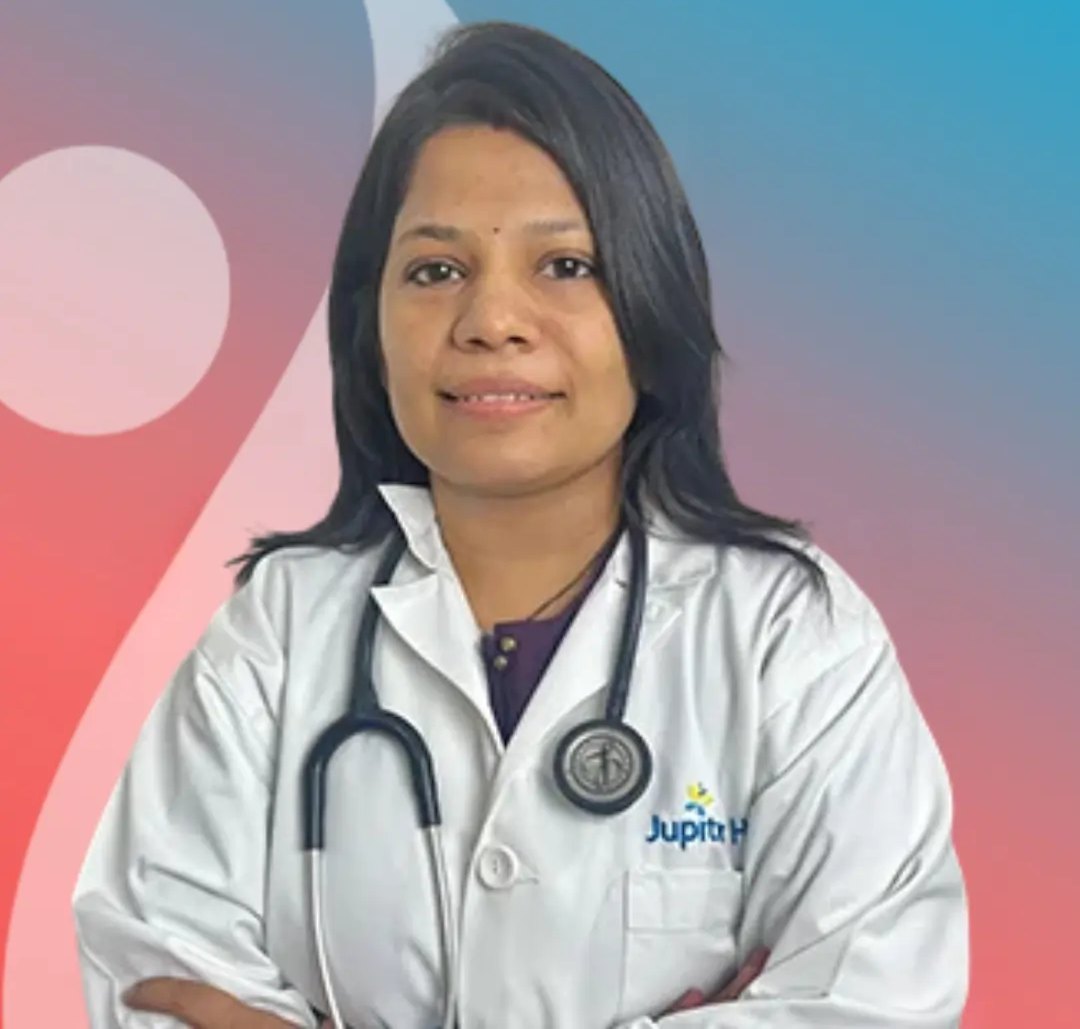
Dr. Pooja Vilas Misal
Designation: Consultant Psychiatrist
Experience: 10+
Illnesses:
SLD, Autism Spectrum Disorder, Dementia, Schizophrenia, Bipolar Disorder, OCD, Drug Addiction
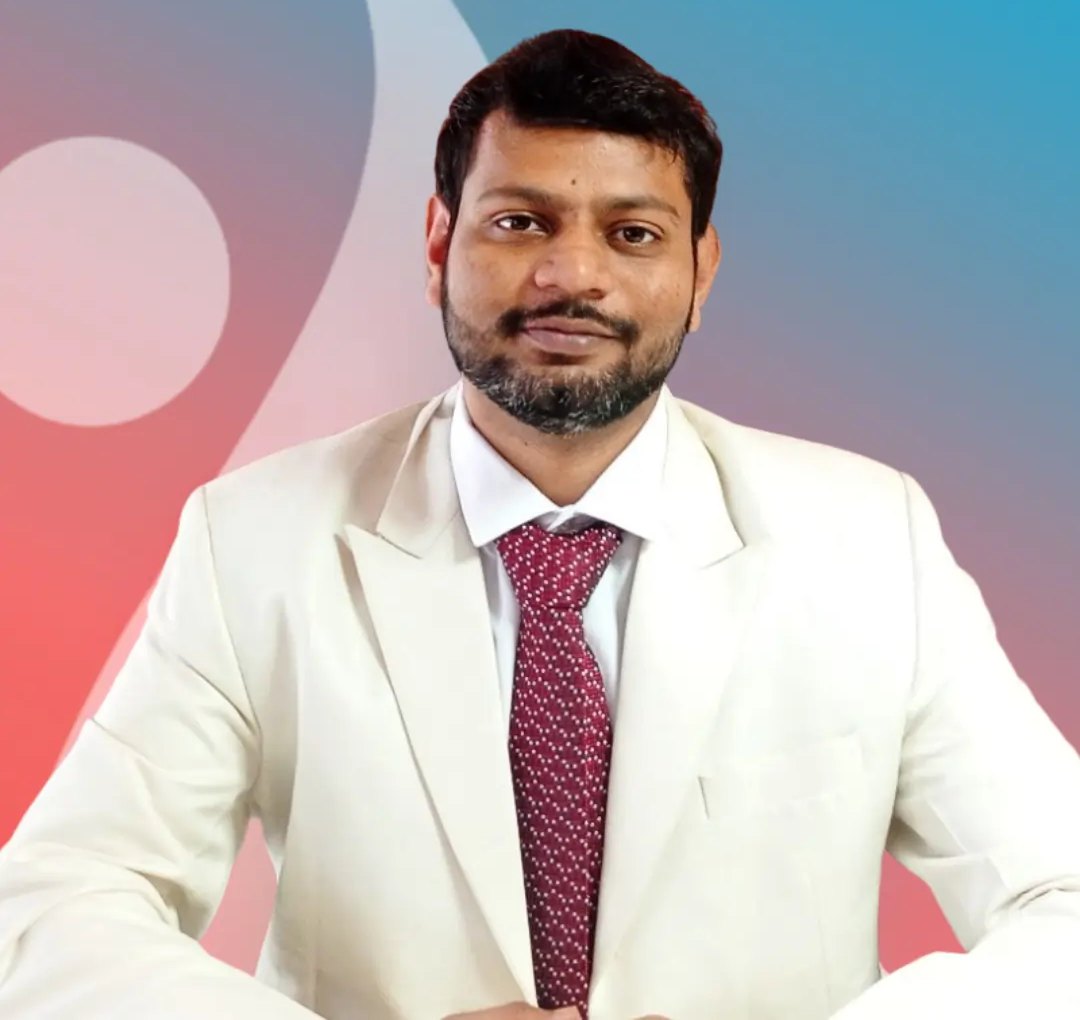
Dr. Ritwick Chatterjee
Designation: Consultant Psychiatrist
Experience: 10+
Illnesses:
SLD, Autism Spectrum Disorder, Dementia, Schizophrenia, Bipolar Disorder, OCD, Drug Addiction

Dr. Abhijit Bombe
Designation: Consultant Psychiatrist
Experience: 10+
Illnesses:
SLD, Autism Spectrum Disorder, Dementia, Schizophrenia, Bipolar Disorder, OCD, Drug Addiction

Dr. Neha Shetty
Designation: Psychiatrist
Experience: 7+
Illnesses:
SLD, Autism Spectrum Disorder, Dementia, Schizophrenia, Bipolar Disorder, OCD, Drug Addiction
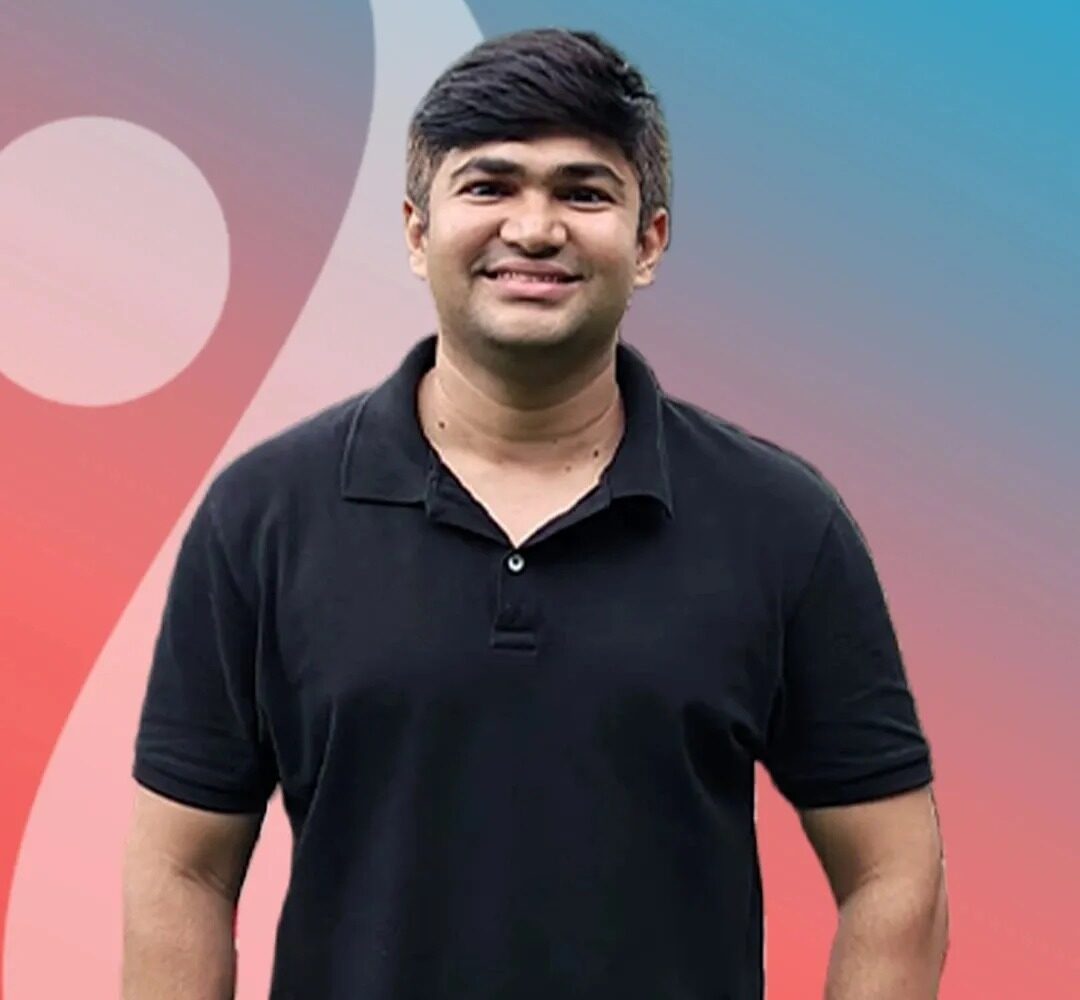
Dr. Krishna Sonawane
Designation: General Physician
Experience: 5+
Illnesses:
SLD, Autism Spectrum Disorder, Dementia, Schizophrenia, Bipolar Disorder, OCD, Drug Addiction
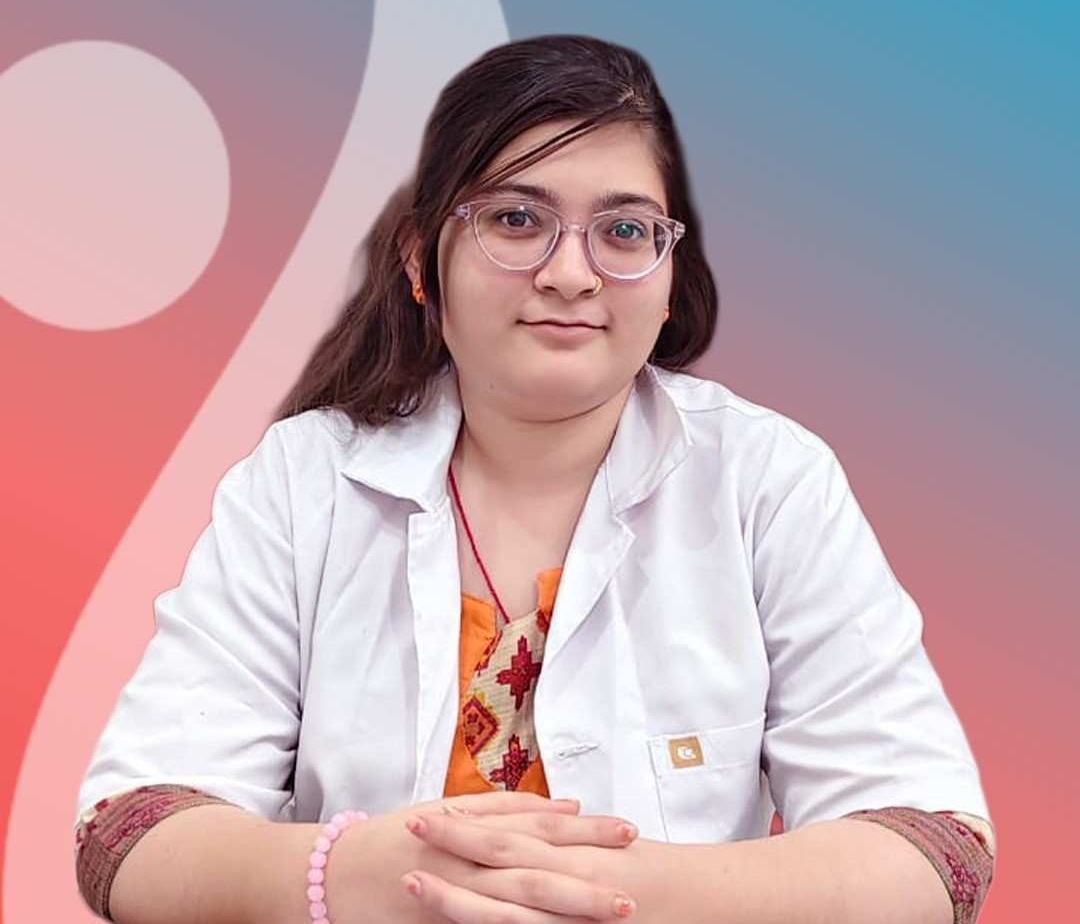
Mahima Survey
Designation: Clinical Psychologist
Experience: 7+
Illnesses:
SLD, Autism Spectrum Disorder, Dementia, Schizophrenia, Bipolar Disorder, OCD, Drug Addiction
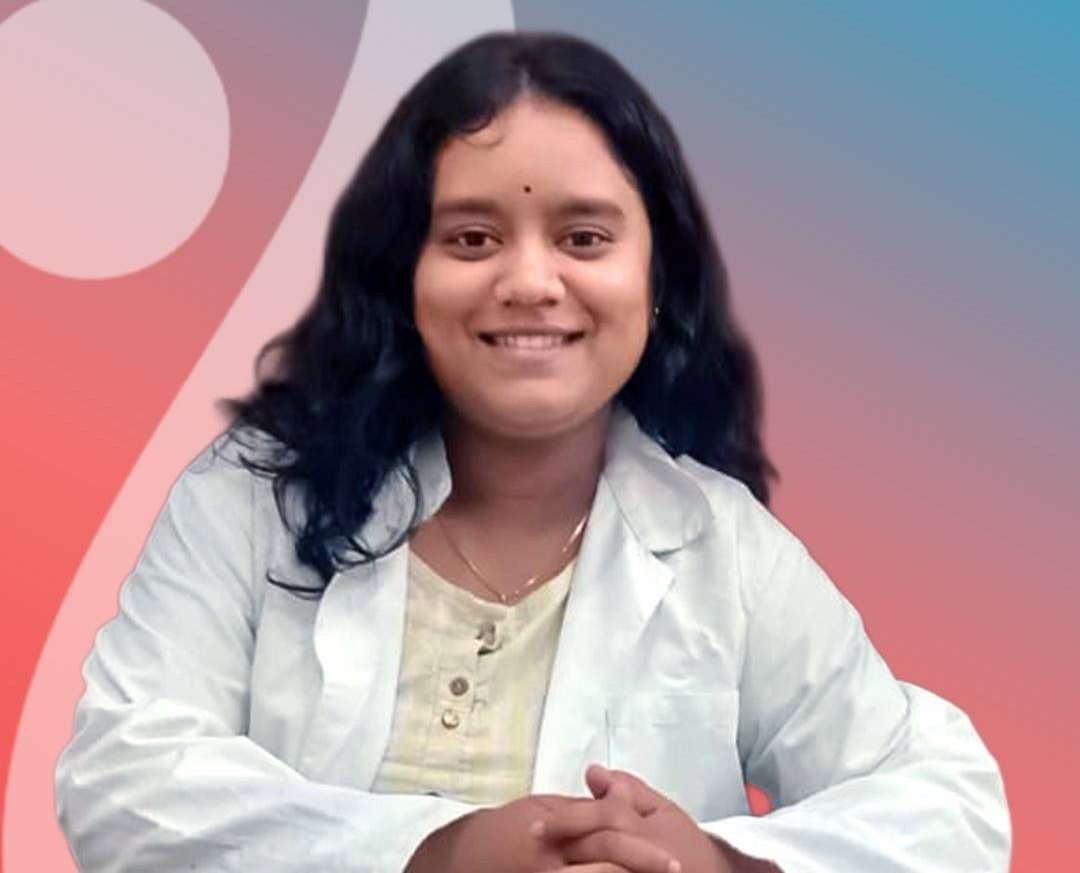
Kajal Mourya
Designation: Clinical Psychologist
Experience: 3+
Illnesses:
SLD, Autism Spectrum Disorder, Dementia, Schizophrenia, Bipolar Disorder, OCD, Drug Addiction