Alcohol Addiction Disorder
About 1%
of the world's population suffers from Alcohol Dependence
3 in 1000
Estimated number of Indians who suffer from Alcohol Dependence
400+
Alcohol Dependence patients reintegrated back into society every year
25+
Professionals specializing in Alcohol Dependence treatment
Introduction
Alcohol addiction or Alcohol Use Disorder (AUD) is a chronic, relapsing condition marked by compulsive drinking. Patients lose control and get stressed when alcohol is unavailable. Alcohol Use Disorder involves an inability to stop consumption of the substance despite suffering from harmful consequences.
However, regardless of age, most patients with Alcohol Use Disorder can improve with the latest behavioural therapies administered by professional mental health experts at Calida Rehab Centre. Medication combined with treatment further prevents relapse and enables a patient to lead a normal life.
Understanding Alcohol Addiction
The disorder ranges from mild to severe, with alcohol addiction representing the most intense end of this spectrum. Alcohol addiction is associated with serious health and social consequences. Organ damage, cancers, accidents, violence and overdose have a severe effect on a patient’s personality.
Addiction operates as a recurring three-stage cycle. The first stage involves incentive salience, negative emotional state and impaired functioning. These processes reflect activity in the basal ganglia, the extended amygdala, and the prefrontal cortex. Patients repeat the same cycle of addiction and giving up drinking at this stage.
People diagnosed with moderate to severe Alcohol Use Disorder face a higher risk due to frequent consumption. Young individuals are particularly vulnerable, as early alcohol use can affect brain development. Regardless of age, most patients
Stages of Alcohol Addiction
1. Binge or Intoxication Stage
In the stage of addiction, alcohol produces pleasure but reduces anxiety. Through the ganglia’s reward system, a patient reinforces his or her belief in drinking. Repeated activation of this part of the brain forms habits and strengthens the response to alcohol-related cues. This causes cravings and encourages compulsive or repetitive drinking behaviour.2. Withdrawal Stage
Once the drinking stops, patients experience physical and emotional withdrawal symptoms. This new reduced-reward system heightens the stress response and causes discomfort. Alcohol use shifts from seeking pleasure to avoiding these negative consequences. This motivates a patient to continue maintenance of the habits despite harmful consequences.3. Anticipation Stage
Following abstinence, patients develop strong cravings and focus only on obtaining the substance. Impaired prefrontal cortex function weakens decision-making and planning abilities. They have a poor sense of self-control making it difficult to ignore powerful urges. This cognitive decline drives renewed alcohol seeking. Eventually, patients start the addiction cycle again.Causes of Alcohol Addiction
- Genetic, psychological and social factors greatly affect a person’s behaviour. These factors also affect how a person consumes alcohol and the quantity he or she takes.
- People who have had alcoholic parents are more likely to develop a liking for alcohol at a young age. Addiction is more common among patients who have seen their parents consuming alcohol regularly.
- Patients with unprocessed trauma resort to alcohol consumption as their emotional processing is weak. Some patients experience stronger effects that increase their risk of developing alcohol use disorder.
- Early exposure to alcohol seems fascinating to young adults. This damages the growth of brian as dependence on external factors is introduced at an early stage.
- Alcohol consumption is also associated with other mental health disorders. Patients suffering from depression and anxiety often resort to substance abuse to feel calmer faster.
- Some patients start consuming alcohol to fit into a particular strata of society. Such societal pressure is extremely harmful for the psychology of a patient and has permanent effects.
Effects of Alcohol Addiction
- Alcohol powerfully affects the brain by creating pleasure and reducing negative emotions. This encourages repeated consumption despite health risks.
- Drinking to cope with stress may reduce discomfort in any circumstance or situation briefly. However, the substance causes emotional degradation, fueling the need to drink more.
- Over time, alcohol causes lasting changes in brain structure and functioning. The substance reduces self-control and promotes the shift from occasional use to chronic misuse.
- Such changes are intentionally done to the body and persist even after a patient stops consuming alcohol. This significantly increases the risk of a relapse.
- Excessive long-term drinking layers regions of the brain that control pleasure, judgement and self-control. This leads to cravings aimed at restoring positive feelings or easing negative emotions.
Signs and Symptoms of Alcohol Addiction
Here are some of the most common signs and symptoms exhibited by patients suffering from alcohol disorder:
1. Ignoring Negative Health Consequences
When patients start ignoring the negative consequences of alcohol consumption, it is considered a very advanced stage of AUD. They ignore self-hygiene and give up on responsibilities. Misbehaviour and day time drowsiness are also common among patients.
2. Increased Tolerance
Patients develop an increased tolerance for alcohol. They are never fully satisfied. After a point, patients also resort to mixing smoking with drinking and even substance abuse. This creates drowsiness faster and makes a patient unconscious more effectively.
3. Loss of Control
Patients who enter an advanced stage of alcohol addiction suffer from shivering and shaking. Owing to their impaired judgement, patients indulge in risky behaviour and lose a sense of what is right or wrong. Rash driving, opting for dangerous sports and spending money recklessly are some of the common signs of over consumption of alcohol.
4. Withdrawal Symptoms
Alcohol withdrawal symptoms occur when the body reacts to sudden absence of alcohol. These signs include anxiety, sweating, tremors, nausea, irritability, insomnia and even rapid heartbeats. Medical supervision is essential as other organs of the body may not respond well owing to side-effects of the drugs.
Treatment of Alcohol Addiction
Here are some of the most effective treatments for patients to fully recover from alcohol use disorder:
1. Cognitive Behavioural Therapy
Cognitive Behavioural Therapy or CBT aims at replacing negative thought processes with positive ones. Therapists strengthen emotional stability and support long-term recovery. Thoughts are restructured and old ideas are reconstructed that ensure consumption of alcohol.
2. Family-Focused Therapy
Family-focused therapy educates families about addiction and reduces the level of taboo attached to it. Communication between members is improved, conflict is reduced and focus on symptom management is enhanced. This therapy is helpful for a sustainable recovery.
3. Dialectical Behavioural Therapy
Dialectical Behavioural Therapy (DBT) teaches emotional regulation and encourages mindfulness. Patients blend acceptance with change and reduce stress which causes addiction from the beginning. Patients are encouraged to adopt healthier lifestyles also.
4. Motivational Interviewing
Motivational Interviewing helps patients overcome resistance by encouraging self-driven change. Techniques like supportive conversation help therapists build confidence and motivation, making patients goal-oriented. Complete behavioural transformation is aimed for with this therapy.
5. Medication-Assisted Treatment
Medication is prescribed to deter drinking. The dosage is decided on the basis of level of addiction and unpleasant reactions caused by alcohol. Injectable options enhance consistency and support patients with varying dependence levels throughout recovery.
6. Relapse Prevention
Relapse prevention combines following healthy routines and mindful practices. Patients opt for creative therapies and guided sessions. The aim is to create an emotional balance and reduce cravings that aim for sustainable recovery.
Self-Management of Alcohol Addiction
Developing a strong belief of self-control is essential to recover from alcohol addiction. Self-motivation and strong self-belief is essential for a patient to recover from Alcohol Use Disorder.
Understanding the side effects of alcohol consumption and realising the negative consequences done to the human body raises self-awareness. This causes organic healing and makes a person feel mentally stronger.
Patients must adopt a healthier lifestyle. Regular physical activity and a healthy diet will ensure that a patient is able to repair damage done to the internal organs due to over-consumption of alcohol.
Call our 24-hour free confidential helpline.
Treatments
Got Questions About Our Treatment Programs?
Find answers to common questions about our treatment programs, admission process, and what to expect during your recovery journey
What are the signs and symptoms of Alcohol Use Disorder?
What is the best way to treat Alcohol Use Disorder?
Can a patient with Alcohol Use Disorder lead a normal life after completion of treatment?
How can the family of a patient be supportive to ensure completion of treatment?
How does Alcohol Addiction affect the human body?
Experts Who Will Guide Your Recovery
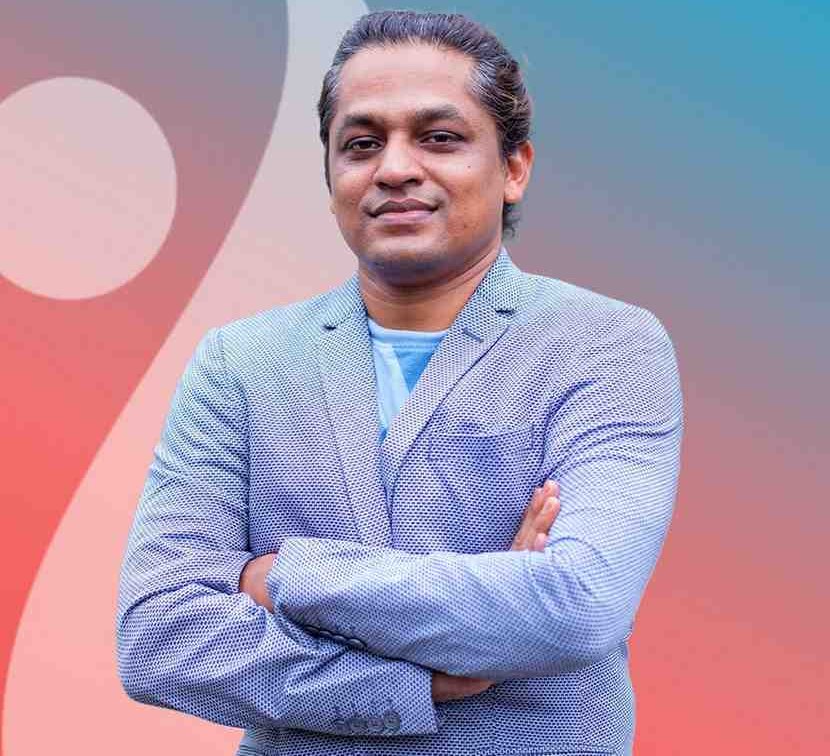
Dr. Prashant Dasud
Designation: Consultant Psychiatrist
Experience: 15+
Illnesses:
SLD, Autism Spectrum Disorder, Dementia, Schizophrenia, Bipolar Disorder, OCD, Drug Addiction

Dr. Santosh Pawar
Designation: Consultant Psychiatrist
Experience: 15+
Illnesses:
SLD, Autism Spectrum Disorder, Dementia, Schizophrenia, Bipolar Disorder, OCD, Drug Addiction
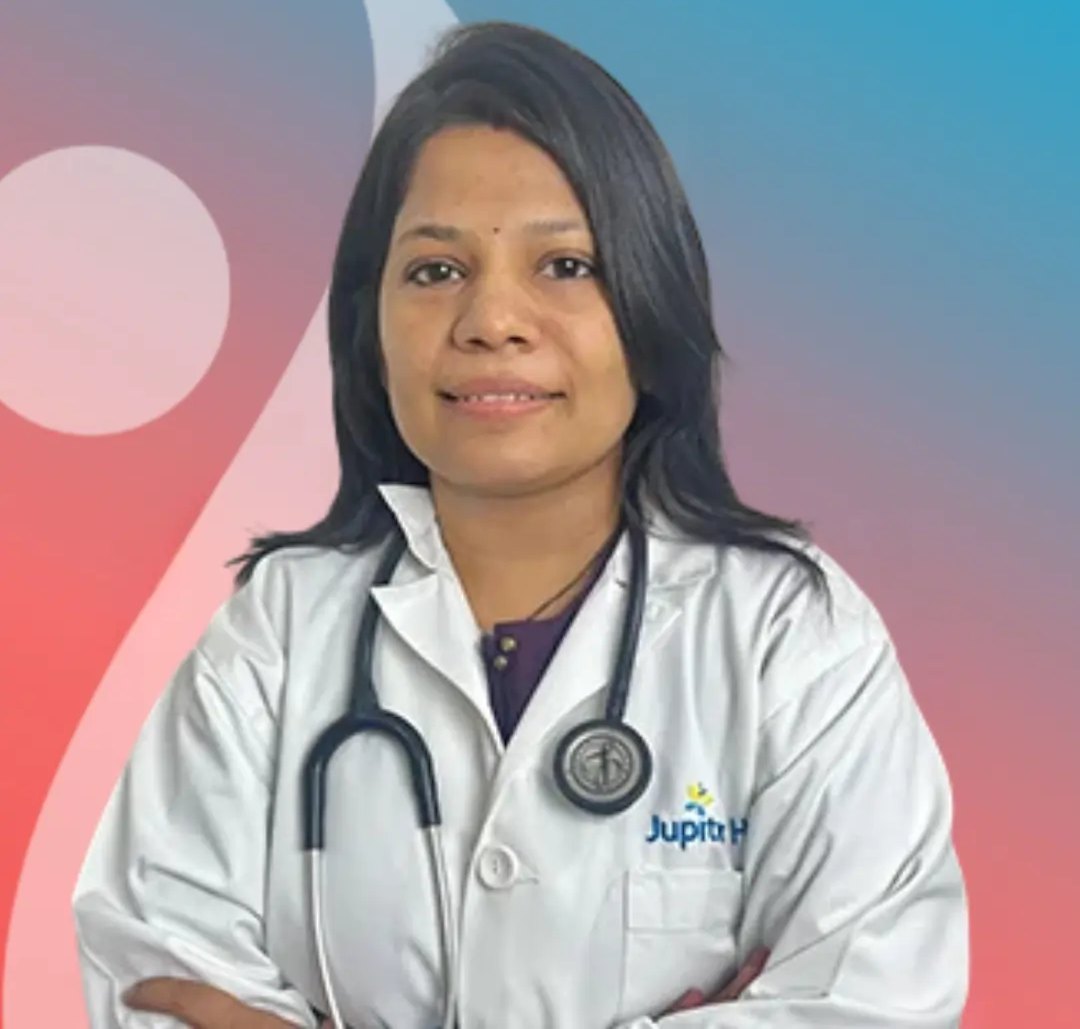
Dr. Pooja Vilas Misal
Designation: Consultant Psychiatrist
Experience: 10+
Illnesses:
SLD, Autism Spectrum Disorder, Dementia, Schizophrenia, Bipolar Disorder, OCD, Drug Addiction
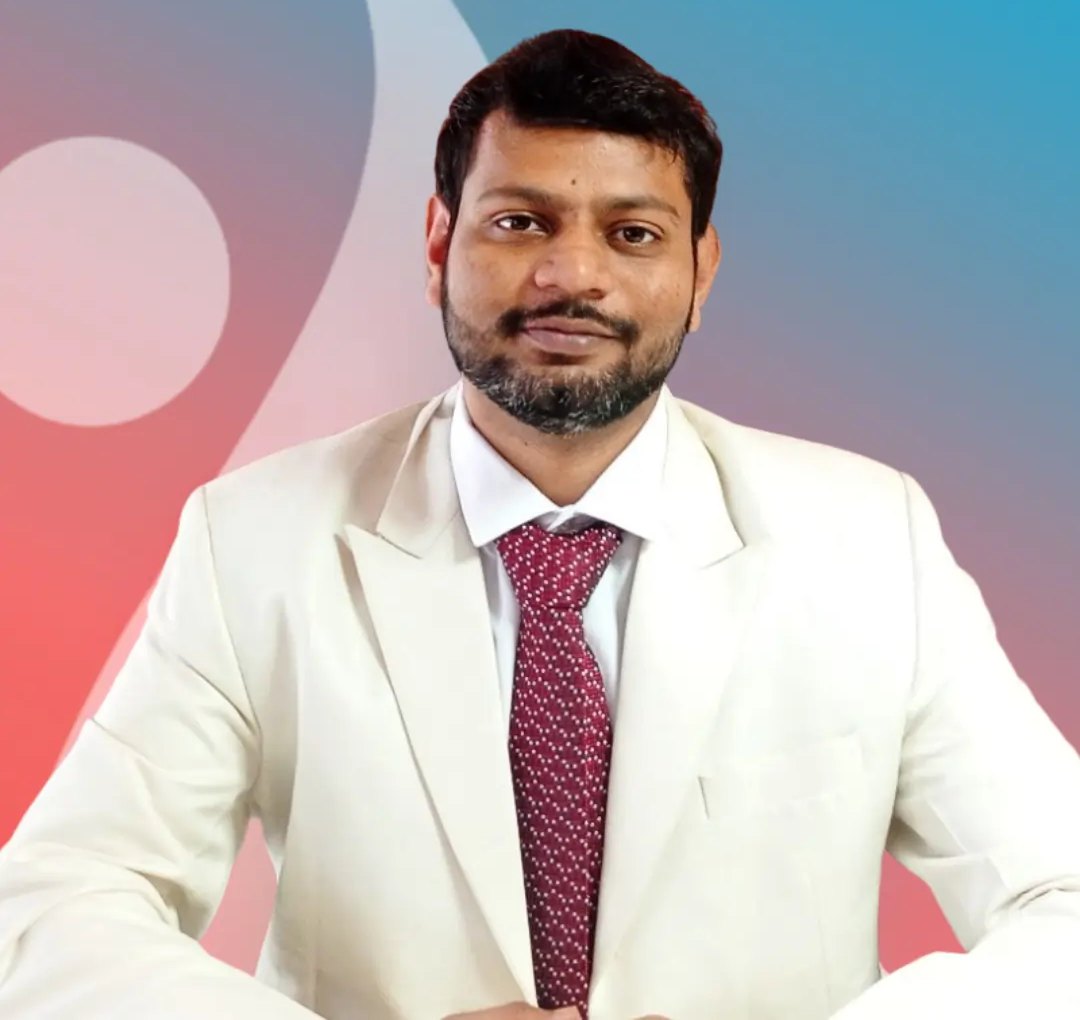
Dr. Ritwick Chatterjee
Designation: Consultant Psychiatrist
Experience: 10+
Illnesses:
SLD, Autism Spectrum Disorder, Dementia, Schizophrenia, Bipolar Disorder, OCD, Drug Addiction

Dr. Abhijit Bombe
Designation: Consultant Psychiatrist
Experience: 10+
Illnesses:
SLD, Autism Spectrum Disorder, Dementia, Schizophrenia, Bipolar Disorder, OCD, Drug Addiction

Dr. Neha Shetty
Designation: Psychiatrist
Experience: 7+
Illnesses:
SLD, Autism Spectrum Disorder, Dementia, Schizophrenia, Bipolar Disorder, OCD, Drug Addiction

Dr. Krishna Sonawane
Designation: General Physician
Experience: 5+
Illnesses:
SLD, Autism Spectrum Disorder, Dementia, Schizophrenia, Bipolar Disorder, OCD, Drug Addiction
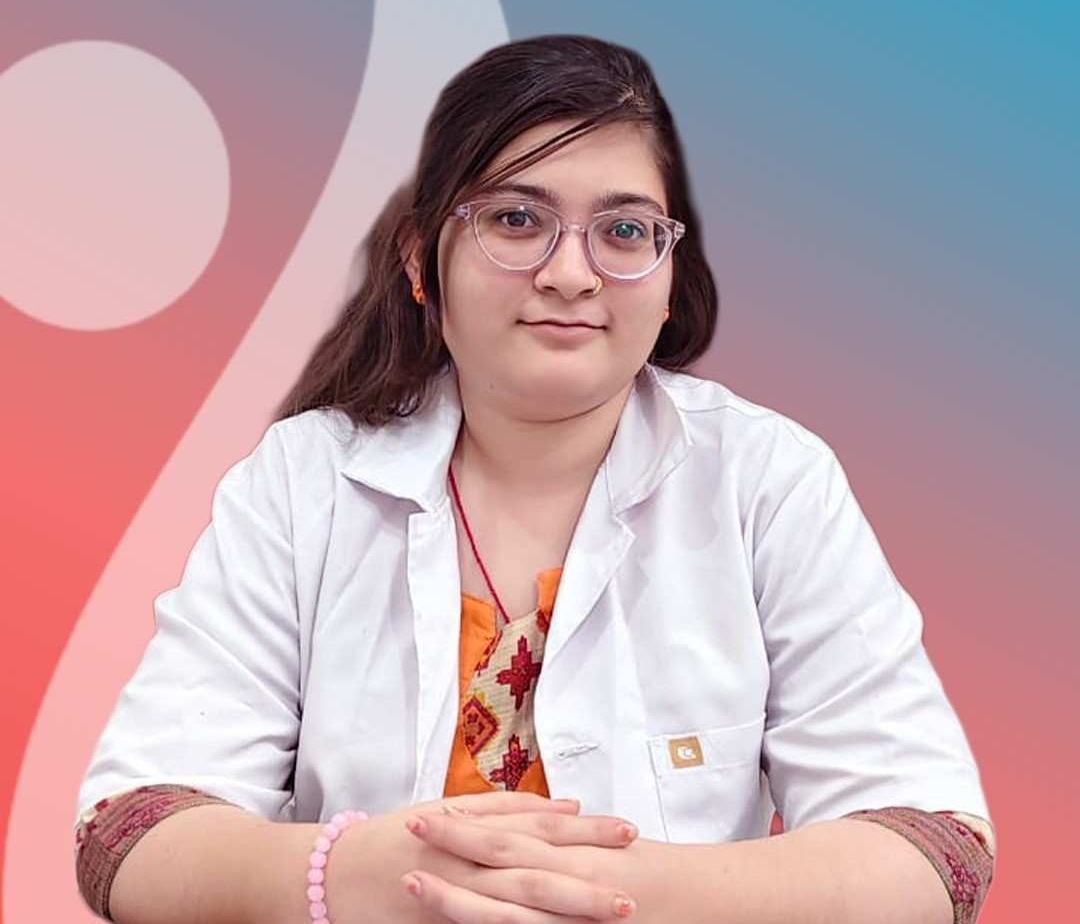
Mahima Survey
Designation: Clinical Psychologist
Experience: 7+
Illnesses:
SLD, Autism Spectrum Disorder, Dementia, Schizophrenia, Bipolar Disorder, OCD, Drug Addiction
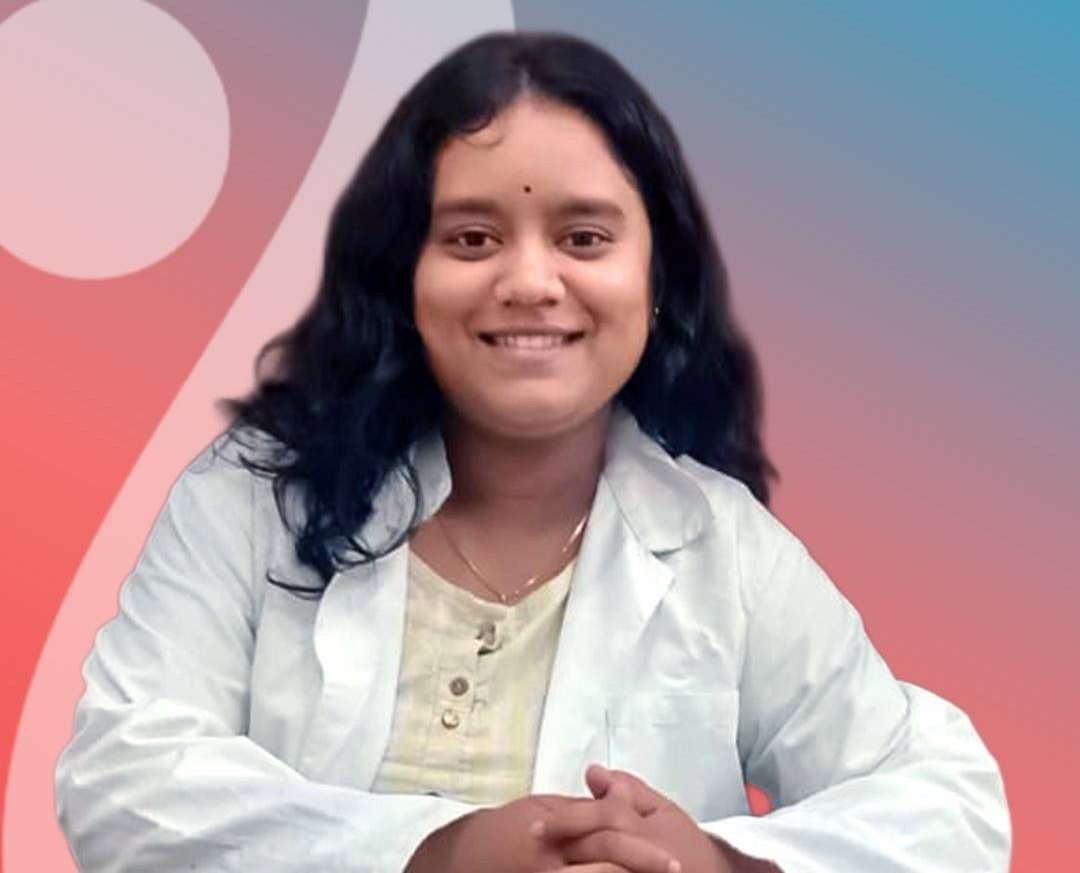
Kajal Mourya
Designation: Clinical Psychologist
Experience: 3+
Illnesses:
SLD, Autism Spectrum Disorder, Dementia, Schizophrenia, Bipolar Disorder, OCD, Drug Addiction